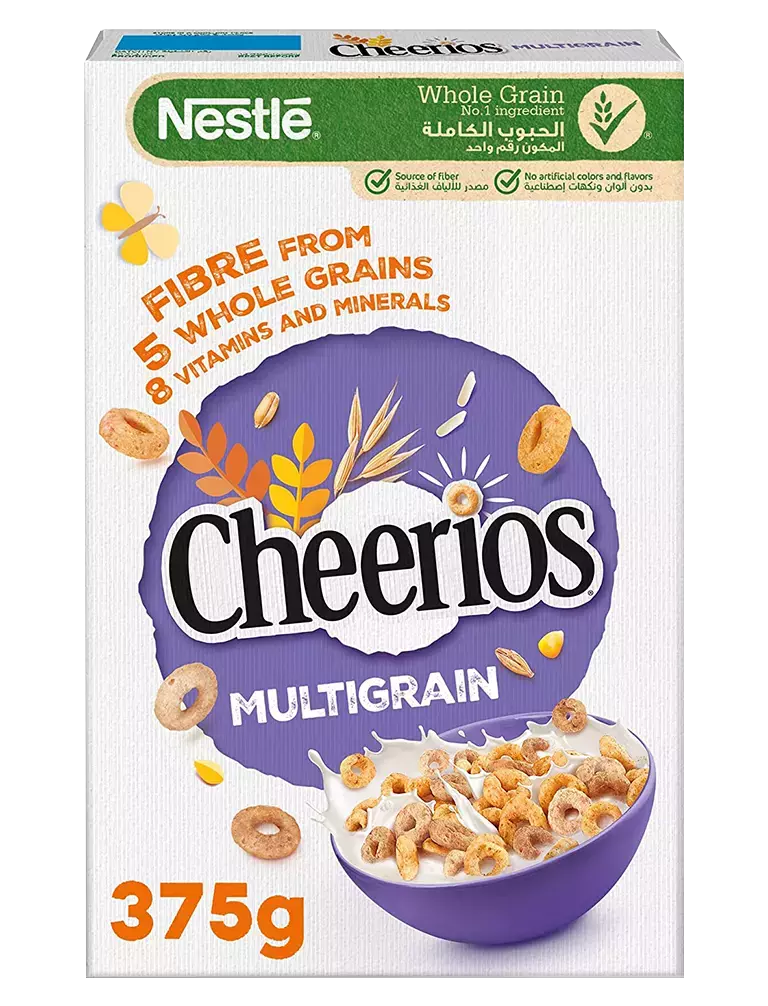
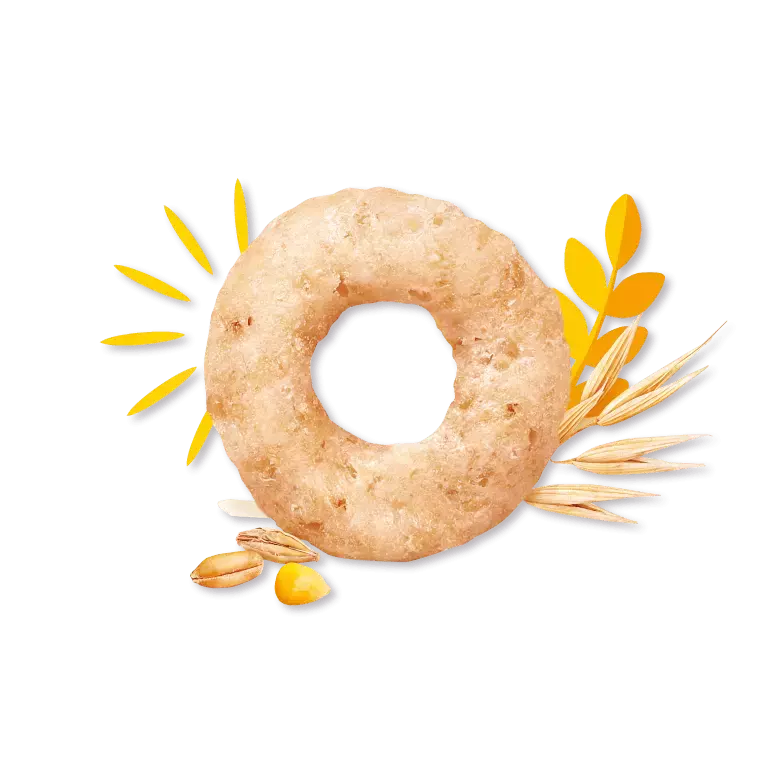
Your delicious CHEERIOS® Multigrain cereals from field to bowl! In every single Cheerio, there are 5 different whole grains: oat, wheat, rice, corn & barley!
Features & Benefits
78%
Whole
Grain
8
Vitamins
No Artificial Colours
Calcium
Nutritional Information
Reference intake for adults per portion 30 g
Serving size
30g
Energy
479KJ/113Cal
6%
Fat
1.4g
2%
Saturates
0.3g
2%
Total Sugar
5.3g
6%
Salt
0.24g
4%
CHEERIOS® CEREAL INGREDIENTS
All our CHEERIOS® breakfast cereals contain the following:
We believe in happier and healthier families, so we try to help make mornings more wholesome and fun for the entire family with our whole grain CHEERIOS® breakfast cereals.
Do breakfast cereals really make a significant contribution to vitamin and mineral intakes?
Research shows that adults and children who regularly eat fortified breakfast cereals are more likely to reach their daily requirements of vitamins and minerals, including the B Vitamins and Iron. Eating whole grain breakfast cereal with milk is a nutritious way to start the day and can be part of a healthy, balanced diet.
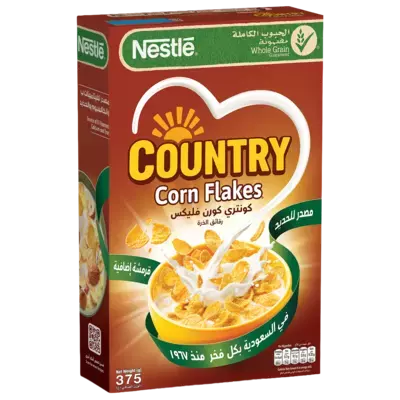
Do COUNTRY CORN FLAKES cereals contain a lot of sugar?
Our cereals do contain sugar - but it isn’t the main ingredient. One serving of COUNTRY CORN FLAKES cereals (30g) contains less than 8.1g of added sugars, which is less than 2 teaspoons of sugar.
Do I have to go on the trip or can I give it to someone?
The prize is non-transferrable and the winner must attend the trip.
What is the Endosperm?
The endosperm is the biggest part of the grain. It mainly contains carbohydrates. It’s the reserve the young plant lives on until its grown roots. The endosperm is milled to make white flour.
Which products are in the promotion? And where can I find them?
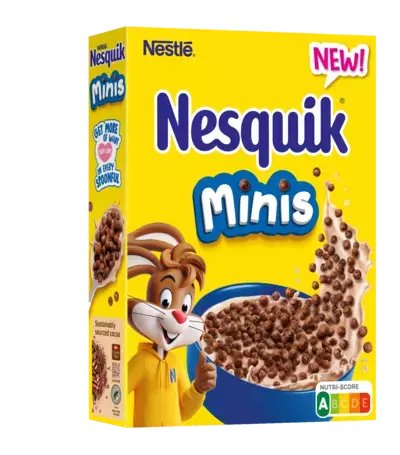
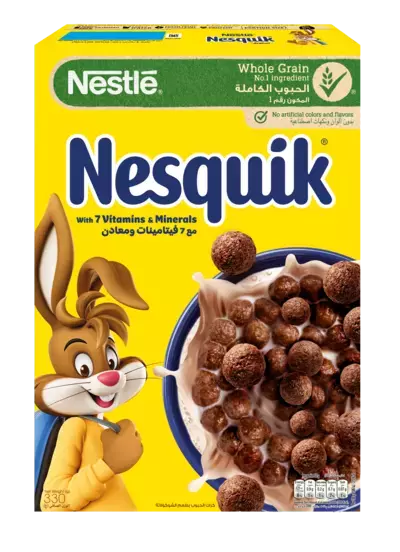
Nesquik 375g
Nesquik 625 g
Nesquik Alphabet
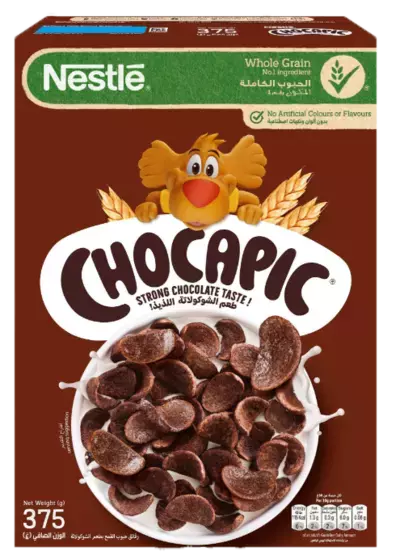
Chocapic
Honey cheerios
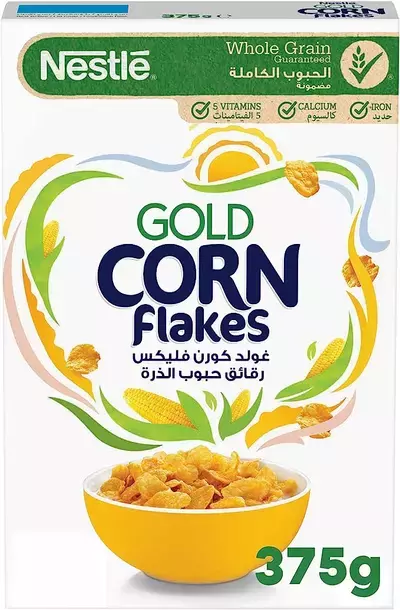
Gold corn flakes
Can processed foods be made with whole grain?
Yes. If a food product has the word “whole” listed on its ingredient label – wholewheat pasta or wholemeal bread, for example, then you know it’s been made with whole grain flour, even if the other ingredients are processed. By the way, even whole grains need to be processed: removing the inedible outer husk makes them safe to eat. But they’re less processed than refined grains, which require additional steps to remove the bran and germ.


Comments
Rating
Comments