HEALTHY BREAKFAST
# Understanding Types of Cereals: Grains and Breakfast Options
Published: 07/08/2026
Authorمن قبل نستله لحبوب الفطور
Share it with your friends

Filled with carbohydrates, fibre and essential vitamins and minerals, cereals can be a nutrient-packed start to millions of people’s mornings daily. Breakfast cereals transform these grains into a quick, convenient, and versatile energy source.
But have you ever wondered what goes into your favourite bowl of cereals? In this guide, we’ll explore the different types of grains that serve as the foundation to our breakfast cereals, and how they transform into the delicious options we love.
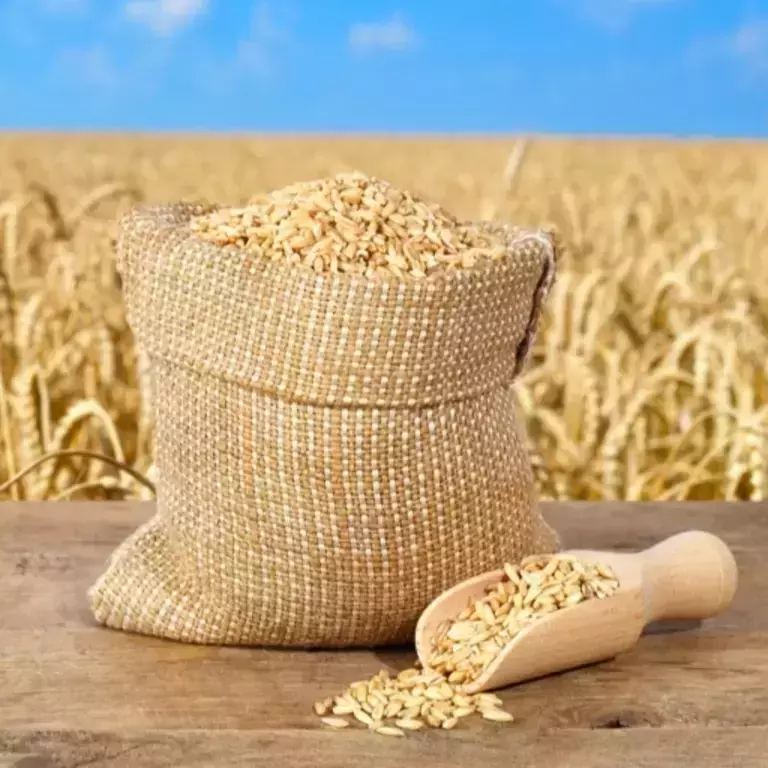
## Types of Cereal Grains
Cereal grains play a vital role in diets worldwide, offering essential nutrients and versatility. Here are some common types:
Whole Grain: Unlike refined grains, nothing important is taken away (just the inedible bits like the hull and husk). You get all three parts of the grain, just as nature intended – the fibre-rich bran, the starchy centre, and the nutrient-packed core\[1\].
- **Wheat:** Wheat is a widely cultivated grain, known for its versatility in food production. You'll find it forming the basis of many staples, from bread and pasta to a variety of baked goods. At Nestlé, our focus on whole wheat grain allows us to create a wide variety of textures and forms. It’s a key component in our popular breakfast options, contributing to both their taste and nutritional value.
- **Rice:** Yes, rice is a type of cereal grain, and naturally gluten-free, which makes it a suitable alternative for those with gluten sensitivities. It's used in a wide range of dishes, from savoury to sweet, and is a key ingredient in many gluten-free products. Maize grits are a naturally gluten‑free cereal ingredient commonly used to create safe, crunchy, and allergen‑friendly breakfast products such as our CORN FLAKES CHOCOLATE GLUTEN FREE, which main ingredient is Maize grits.
- **Barley:** Barley is a notable whole grain, appreciated for its chewy texture and subtle nutty flavour. It's a good source of fibre and is used in various culinary applications, including soups, stews, and cereals.
- **Corn:** Corn is unique in that its kernels are botanically classified as fruits, while it's commonly used as a vegetable, and agriculturally it's considered a cereal grain. It's a versatile ingredient found in a wide range of foods, Such as our Gold Cornflakes.
- **Oats:** Oats are a popular and naturally high-fibre grain. They are commonly enjoyed as porridge and are also found in granola and many other baked products. Oats are a key ingredient of our Cheerios®!
## Different Types of Breakfast Cereals Compared
Breakfast cereals, made from various cereal grains, offer diverse tastes, textures, and nutrition, supporting a balanced diet and providing a delicious start to the day.
**High-Fibre Cereals**
High-fibre cereals, like our FITNESS FIBRE NO ADDED SUGAR are rich in dietary fibre, and often contain additional vitamins and minerals to support a balanced diet.
When trying to get more fibre into your diet it is important to note that In adults, WHO recommends an intake of at least 25 g per day of naturally occurring dietary fibre
as consumed in foods (strong recommendation).
In children and adolescents, WHO suggests the following intakes of naturally occurring dietary
fibre as consumed in foods (conditional recommendation):
• 2–5 years old, at least 15 g per day
• 6–9 years old, at least 21 g per day
• 10 years or older, at least 25 g per day
Why not start your morning by trying one of our delicious, high-fibre breakfast ideas - tasty and full of flavour.
**Low-Sugar Cereal**
For those looking to reduce their sugar intake, FITNESS FIBRE NO ADDED SUGAR and FITNESS PROTEIN NO ADDED SUGAR are an excellent choice. they contain no added sugars—just one simple ingredient: whole grain wheat. With nothing extra added, it’s a straightforward breakfast option that delivers the nutrients of whole grain.
**Whole Grain Cereal**
Whole grain cereals are made from grains that retain all three of their natural layers (the bran, germ, and endosperm) which contain different nutrients and fibre. This makes whole grains a valuable component of a balanced diet.
Examples of whole grains used in our breakfast cereals include:
- **Barley:** found in products such as Multigrain Cheerios® Cereal
- **Wheat:** used in all of our breakfast cereals with the green banner
- **Corn:** naturally gluten-free, whole grain corn is used in our CORN FLAKES CHOCOLATE GLUTEN FREE offering a suitable option for those with gluten sensitivities.
- **Oats :**are a popular and naturally high-fibre grain, and are found in granola and used in our wide range of FITNESS GRANOLA with diiferent flavours.
Whole grain breakfast cereals can help to provide vitamins, minerals, and fibre as part of a balanced diet.
**Fortified Cereal**
Starting your day with a bowl of fortified whole grain breakfast cereals is a delicious way to start the day. These kinds of breakfast cereals, such as Original Fitness Cereal contain added vitamins and minerals as well as its high in fibre from the whole grains.
**Gluten-Free Cereal**
Gluten-free cereals provide a suitable breakfast option for individuals avoiding gluten containing cereals such as wheat, barley, rye or maize grits. Made with grains like rice, corn or quinoa, gluten free cereals such as CORN FLAKES CHOCOLATE GLUTEN FREE offer a light and crispy texture while still delivering the familiar taste of a classic breakfast cereal.
**Hot Cereal**
Breakfast cereals can also be enjoyed warm. For a comforting option, consider using warm milk with cereals like FITNESS ORIGINAL. This provides a warm and soothing breakfast, particularly suitable for colder mornings.
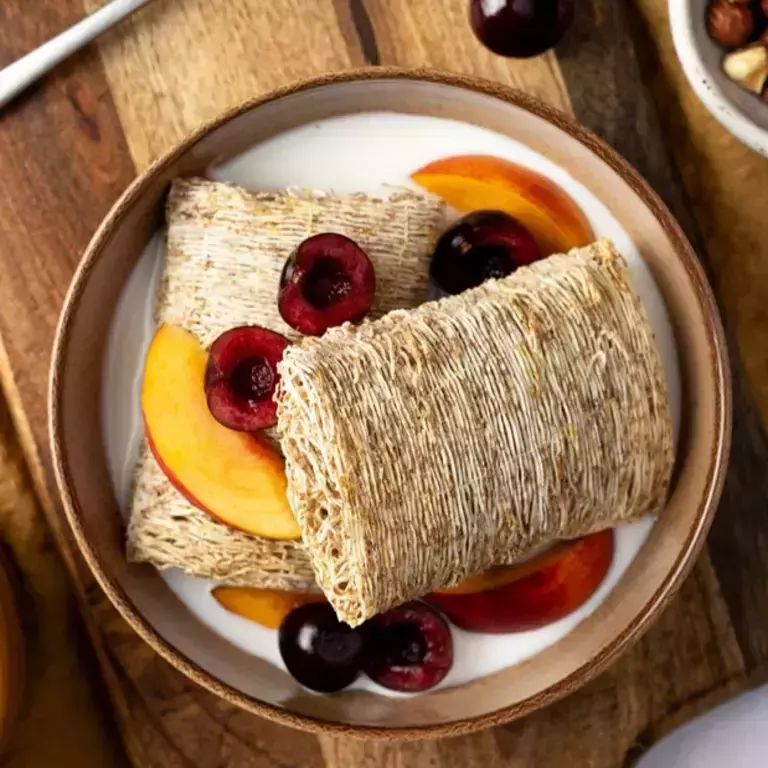
## What should I eat with different types of cereals?
Looking to level up your cereal game? Whether you’re into low sugar, high fibre, or warming hot cereals, these tasty toppings can bring extra flavour, texture, and variety to every spoonful:
- **Top with fresh berries** - Add a burst of natural sweetness, colour, and a source of vitamins.
- **Combine with diary** - A splash of milk or a spoonful of yogurt adds creaminess and can contribute calcium and protein.
- **Boost with Nut butter** - Swirl in some peanut, almond or cashew butter for a rich, nutty boost that brings extra texture and taste.
- **Sprinkle some Cinnamon** – Add some warm, aromatic spice that adds a subtle sweetness.
## What recipes can I make with breakfast cereal?
Breakfast cereal is versatile and can be incorporated into many recipes beyond just a bowl of milk. If you have some cereal at home, and fancy something either sweet or savoury, we have a wide variety of cereal recipes for you to try out.