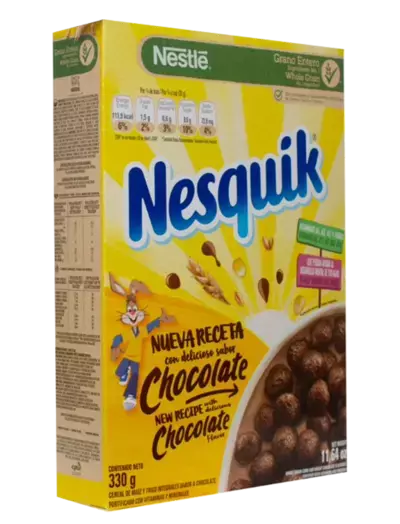
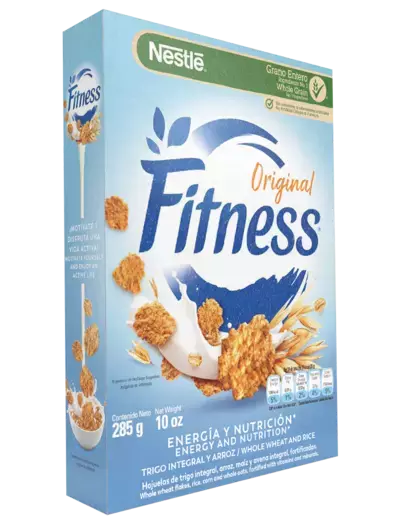
You said more whole grain & less sugar. So, we've listened and worked hard to improve, including making whole grain our main ingredient across the Nestlé Breakfast Cereals portfolio.
Does reducing the sugar of breakfast cereals lower the GI?
It‘s a common myth that lowering sugar in a food lowers the GI. You can’t predict the GI of a breakfast cereal from the amount of sugar in it. In fact, some high sugar cereals have a low GI and some low sugar cereals have a high GI. For example, Corn Flakes have a high GI (77) and FROSTIES® have a low GI (55).
Do Nestlé breakfast cereals contain artificial sweeteners?
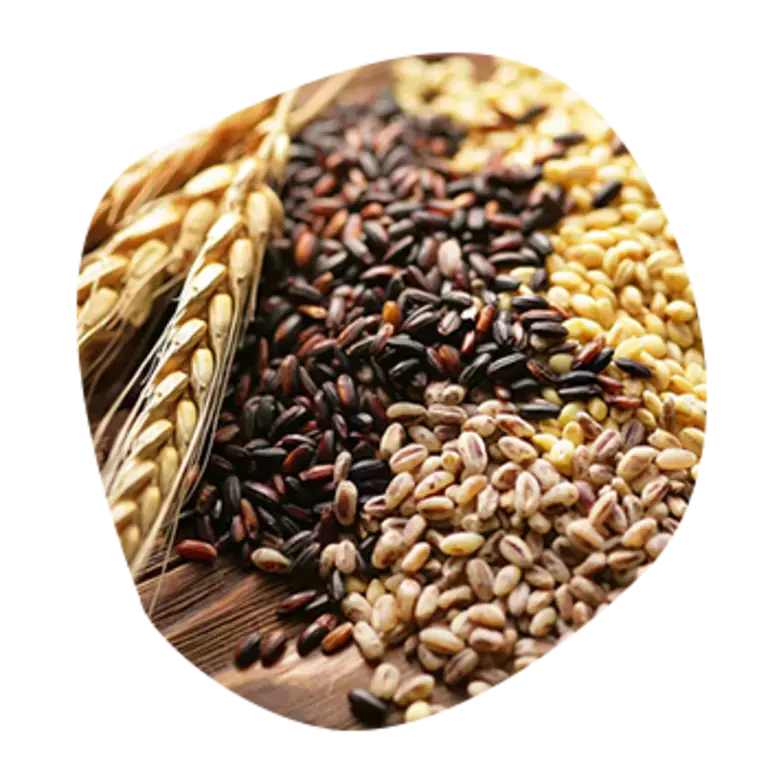
No. Artificial sweeteners don’t work in the same way as sugars, so they are not typically used in breakfast cereals. One way we replace the sugars taken out of our cereals is by increasing the amount of whole grains, like wheat and rice.
Is 'vegetable oil' the same as 'palm oil'?
Not necessarily. Not all vegetable oil is palm oil. A whole range of different types of vegetable oils are used in food products. Some are palm oil, but not all. Many other oils are used, like coconut, sunflower or rapeseed oil.
What is the Glycaemic Index?
We’ve all heard of ‘blood sugar’ levels, and how keeping them balanced helps maintain even energy levels and weight. The Glycaemic Index (GI) is a biological indicator of how the levels of glucose in your blood are affected by a fixed amount of carbohydrates in foods or drinks. Put simply, it tells you whether the carbohydrate is ‘slow’ or ‘fast’ releasing.
What are the health and nutritional benefits of Nestlé Gluten Free Corn Flakes?
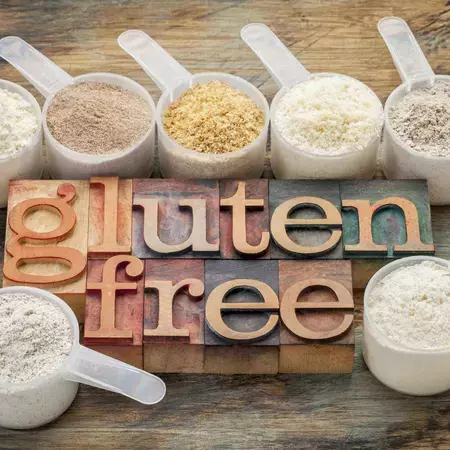
As well as being a healthy choice for people who want to reduce the amount of gluten in their diet, or have coeliac disease or a gluten intolerance, Gluten Free Corn Flakes are fortified with B-vitamins, folic acid and iron
Does including gluten-free products in your diet lower your risk of heart disease?