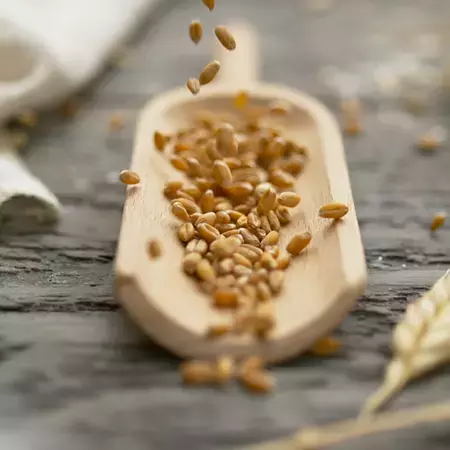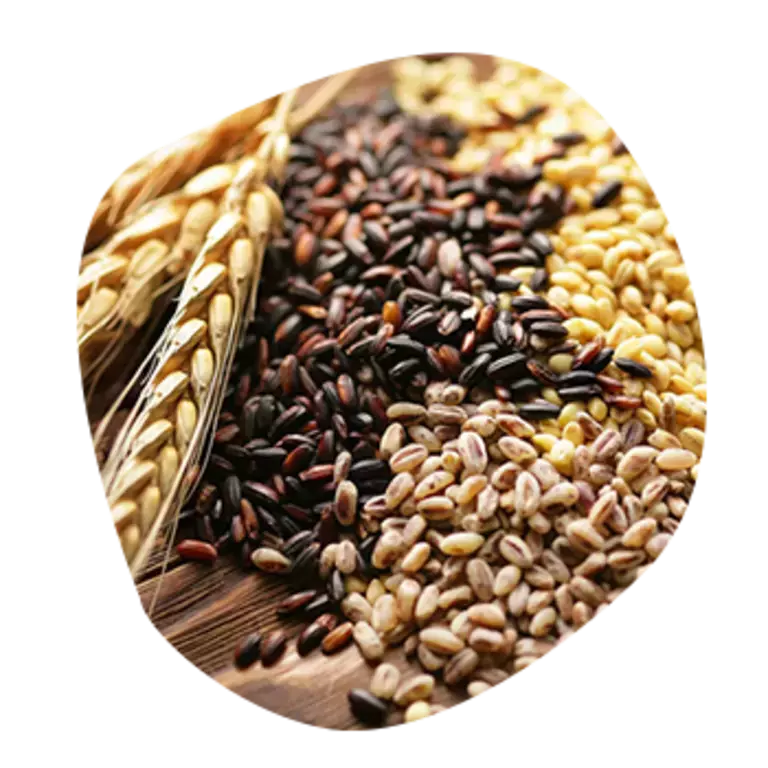
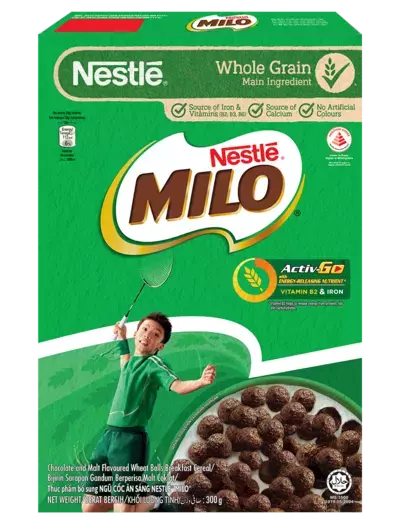
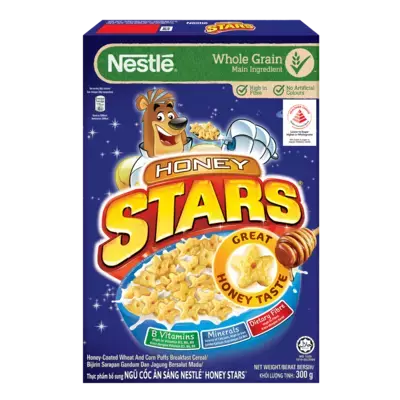
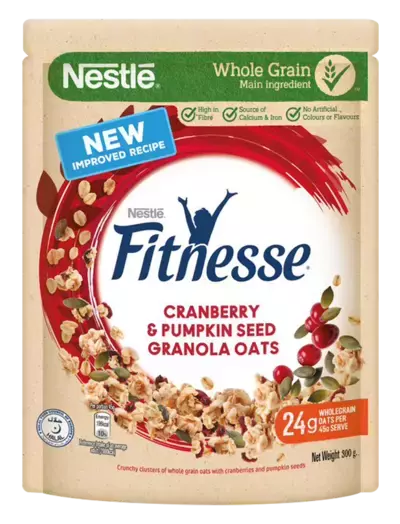
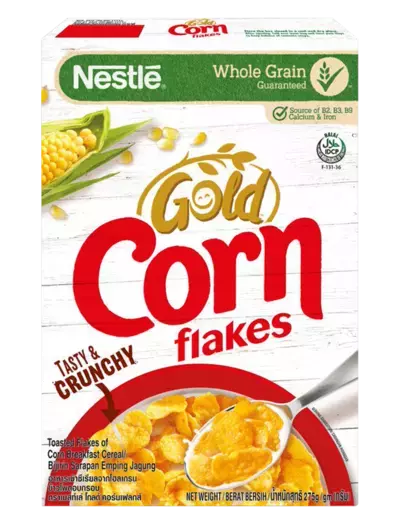
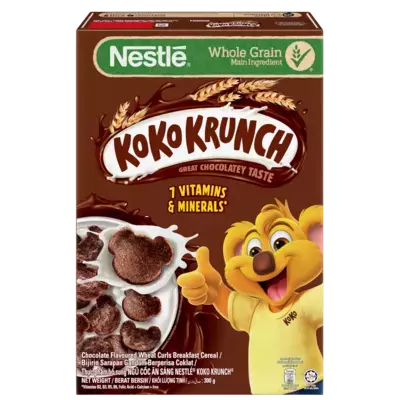
You said more whole grain & less sugar. So, we've listened and worked hard to improve, including making whole grain our main ingredient across the Nestlé Breakfast Cereals portfolio.

Having whole grain as the main ingredient across our cereal range brings nutritional benefits like fibre that contributes to the great scores on some of our cereals. Also, our continued recipe improvements play their part, depending on the product. Read more
Which Nestlé breakfast cereals are Gluten Free?
We produce corn flakes & rice pops, with availability differing across markets. They’re suitable for people looking for great-tasting breakfast cereal with no gluten, for example people with Coeliac Disease or gluten intolerance. For more detail click here
Why is salt added to Nestlé breakfast cereals?
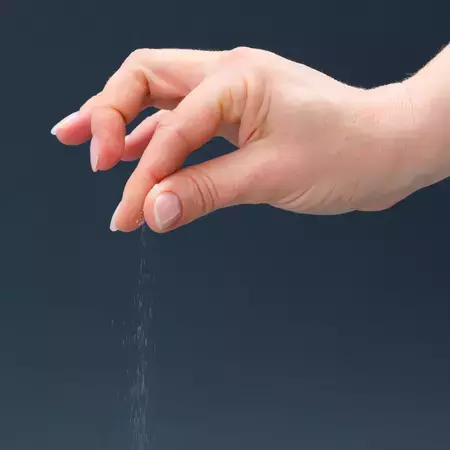
We add a pinch of salt to our cereals to improve their taste & texture. It also improves product shelf life. We have been working to reduce salt levels in our cereals over the last 15 years, already cutting salt by 25% on average. Click here to find out more.
What minerals and vitamins does Nestlé enrich its breakfast cereals with?
Most Nestlé breakfast cereals are usually fortified with a minimum of 5 vitamins (B2, B6, niacin or B3, pantothenic acid or B5, folic acid or B9 and, in some recipes, vitamin D), and 2 minerals (calcium and iron).
What is your Front of Pack Labelling system? (FoPL)
We are committed to implementing the relevant FoPL system requested by the authorities in each country. Whether it be the Health Star Rating system (HSR), Multiple Traffic Lights (MTL), Nutri-Score, Reference Intakes (RIs) or Warning Symbol. Read more here.