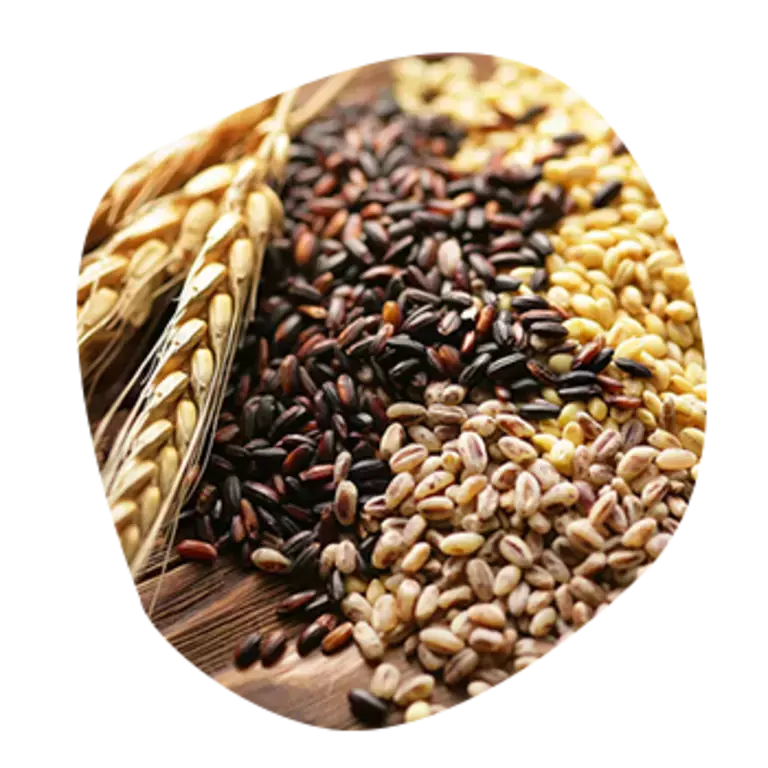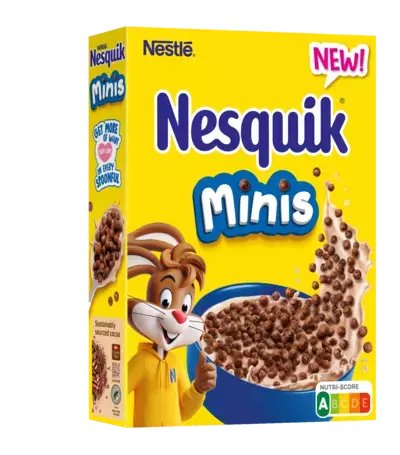
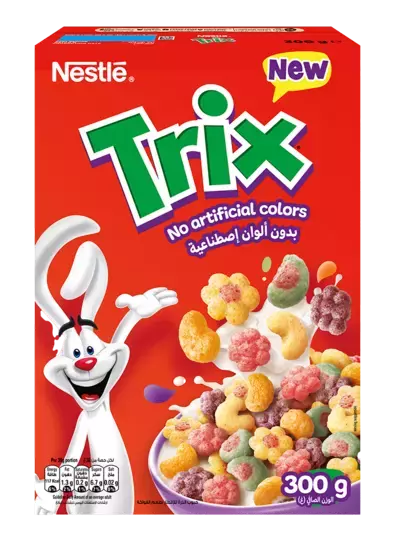
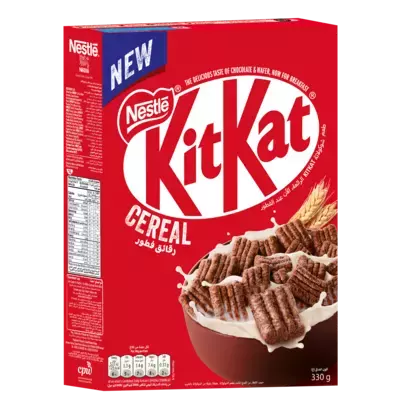
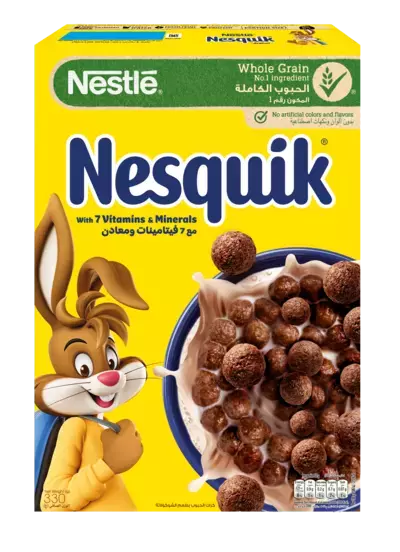
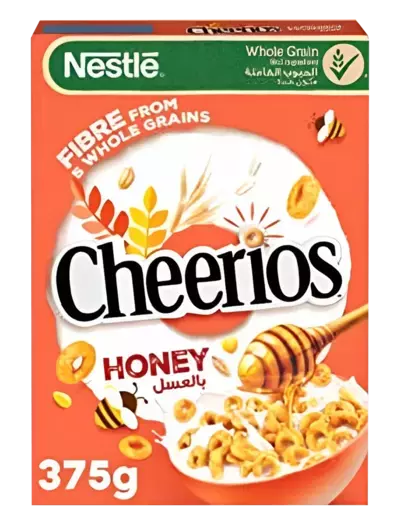
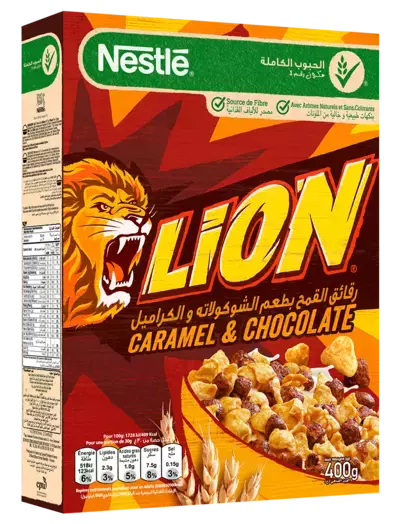
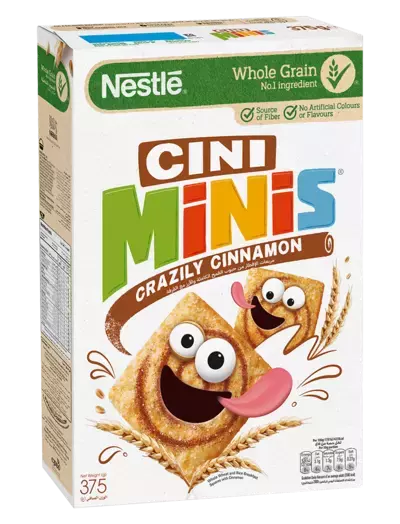
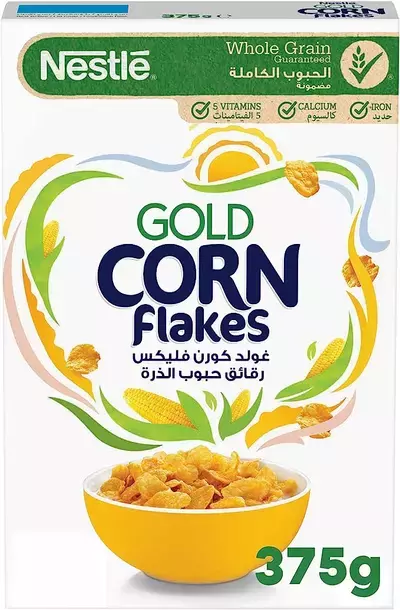
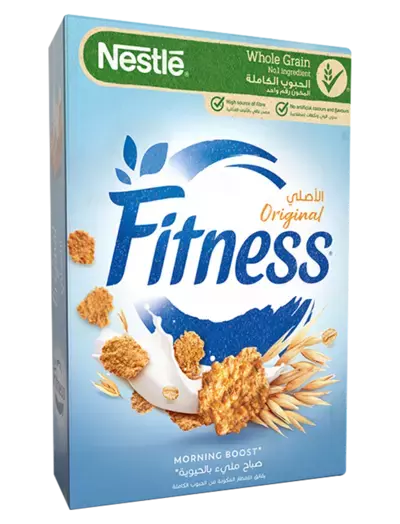
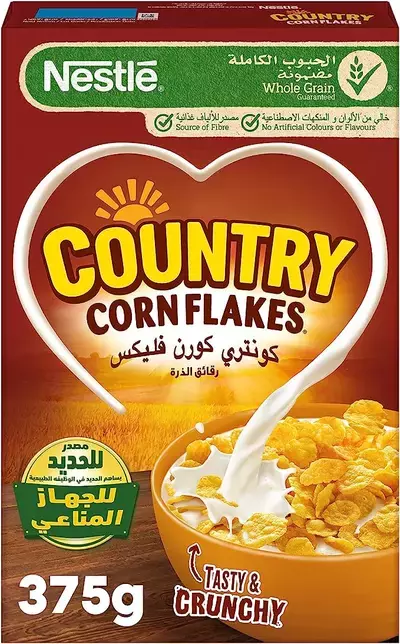
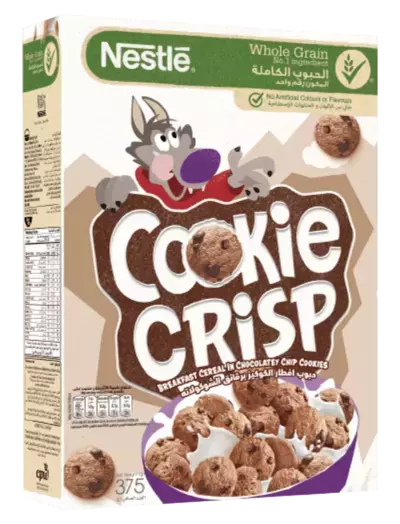
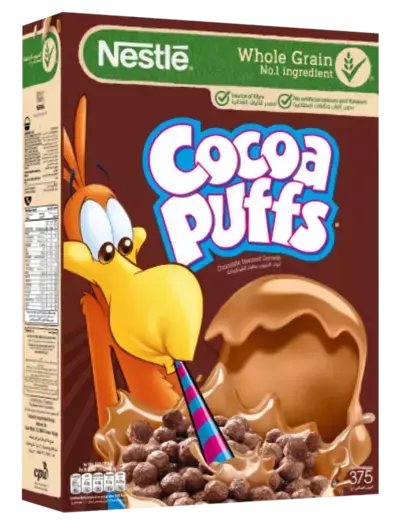
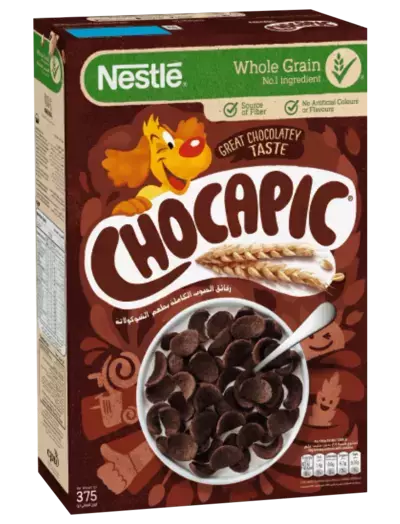
You said more whole grain & less sugar. So, we've listened and worked hard to improve, including making whole grain our main ingredient across the Nestlé Breakfast Cereals portfolio.
NESQUIK Breakfast Cereals is available across the Middle East. Specifically in KSA, UAE, Kuwait, Lebanon, Qatar, Jordan, Iran, Oman, Iraq, Bahrain, and Palestine.
Are breakfast cereals high in cholesterol?
No, breakfast cereals do not contribute to cholesterol intake.
How do I know how much sugar is in my Nestlé breakfast cereal?
We’re committed to giving our consumers clear and accurate nutritional information in a format that best helps them make informed decisions about their diet. We use Guideline Daily Amounts (GDA) on our products. These make the nutrition information easy to understand and help people make informed choices. The information is factual, objective and clear. We believe it’s the most neutral and informative system currently available. In addition to local food labeling requirements, almost all Nestlé Breakfast Cereals carry the ‘Nestlé Nutritional Compass’, which is a clear, transparent labeling guide, giving consumers easy-to-understand and detailed nutritional information on protein, carbohydrate, fat and sugar content and how much is in a single portion.
Do I need to keep my in-pack promo code and the receipt?
Yes, you you can keep your receipt or take a picture with your phone for the code & receipt for future reference.
Are breakfast cereals full of fat?
Most Nestlé breakfast cereals popular with children contain an average 4-7% fat; that’s less than 2g of fat per 30g serving.
What is the Endosperm?
The endosperm is the biggest part of the grain. It mainly contains carbohydrates. It’s the reserve the young plant lives on until its grown roots. The endosperm is milled to make white flour.