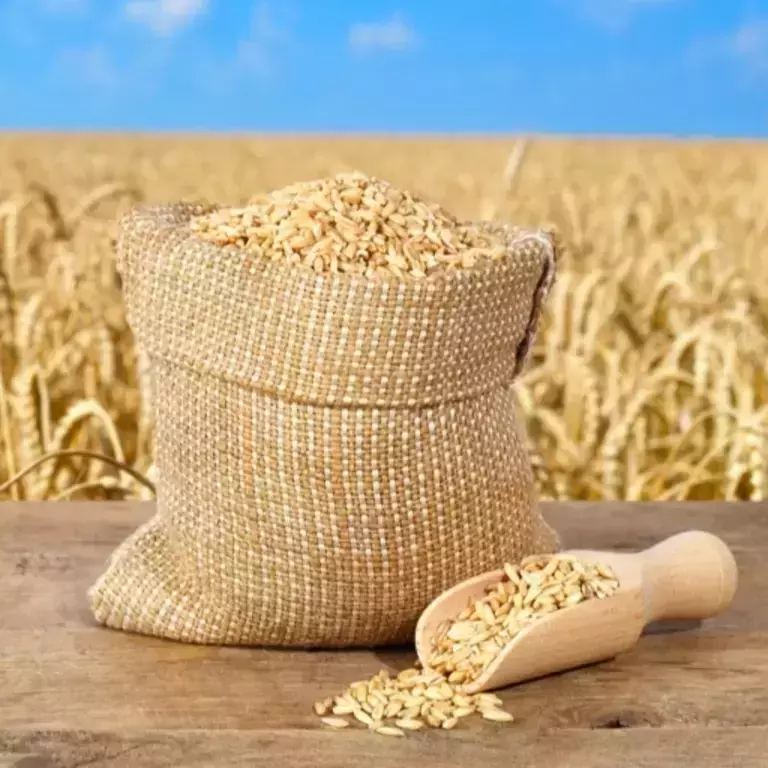
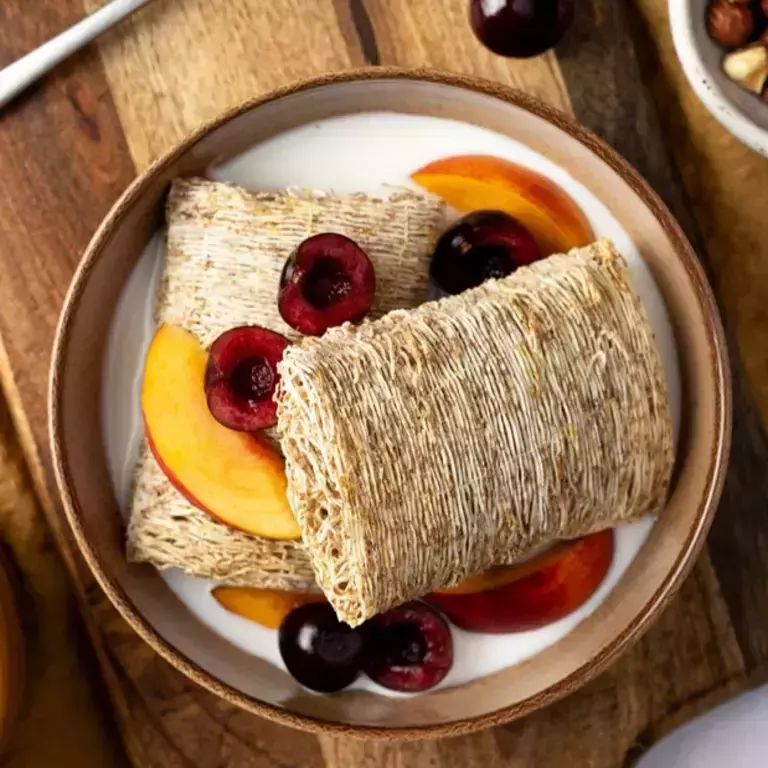
Breakfast cereals, made from various cereal grains, offer diverse tastes, textures, and nutrition, supporting a balanced diet and providing a delicious start to the day.
High-Fibre Cereals
High-fibre cereals, like our FITNESS FIBRE NO ADDED SUGAR are rich in dietary fibre, and often contain additional vitamins and minerals to support a balanced diet.
When trying to get more fibre into your diet it is important to note that In adults, WHO recommends an intake of at least 25 g per day of naturally occurring dietary fibre
as consumed in foods (strong recommendation).
In children and adolescents, WHO suggests the following intakes of naturally occurring dietary
fibre as consumed in foods (conditional recommendation):
• 2–5 years old, at least 15 g per day
• 6–9 years old, at least 21 g per day
• 10 years or older, at least 25 g per day
Why not start your morning by trying one of our delicious, high-fibre breakfast ideas - tasty and full of flavour.
Low-Sugar Cereal
For those looking to reduce their sugar intake, FITNESS FIBRE NO ADDED SUGAR and FITNESS PROTEIN NO ADDED SUGAR are an excellent choice. they contain no added sugars—just one simple ingredient: whole grain wheat. With nothing extra added, it’s a straightforward breakfast option that delivers the nutrients of whole grain.
Whole Grain Cereal
Whole grain cereals are made from grains that retain all three of their natural layers (the bran, germ, and endosperm) which contain different nutrients and fibre. This makes whole grains a valuable component of a balanced diet.
Examples of whole grains used in our breakfast cereals include:
- Barley: found in products such as Multigrain Cheerios® Cereal
- Wheat: used in all of our breakfast cereals with the green banner
- Corn: naturally gluten-free, whole grain corn is used in our CORN FLAKES CHOCOLATE GLUTEN FREE offering a suitable option for those with gluten sensitivities.
- Oats :are a popular and naturally high-fibre grain, and are found in granola and used in our wide range of FITNESS GRANOLA with diiferent flavours.
Whole grain breakfast cereals can help to provide vitamins, minerals, and fibre as part of a balanced diet.
Fortified Cereal
Starting your day with a bowl of fortified whole grain breakfast cereals is a delicious way to start the day. These kinds of breakfast cereals, such as Original Fitness Cereal contain added vitamins and minerals as well as its high in fibre from the whole grains.
Gluten-Free Cereal
Gluten-free cereals provide a suitable breakfast option for individuals avoiding gluten containing cereals such as wheat, barley, rye or maize grits. Made with grains like rice, corn or quinoa, gluten free cereals such as CORN FLAKES CHOCOLATE GLUTEN FREE offer a light and crispy texture while still delivering the familiar taste of a classic breakfast cereal.
Hot Cereal
Breakfast cereals can also be enjoyed warm. For a comforting option, consider using warm milk with cereals like FITNESS ORIGINAL. This provides a warm and soothing breakfast, particularly suitable for colder mornings.