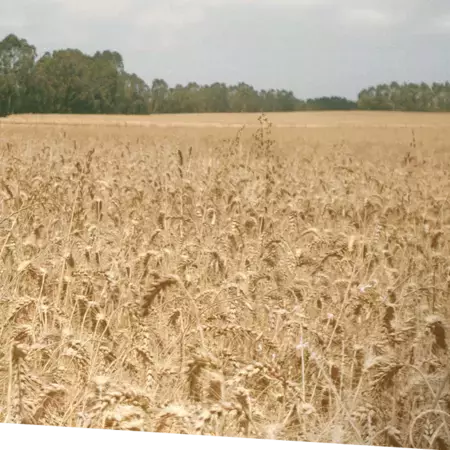
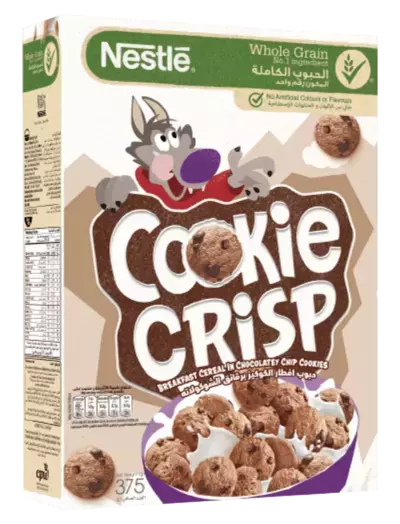
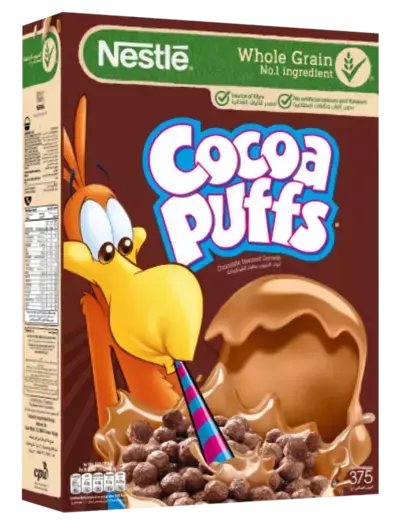
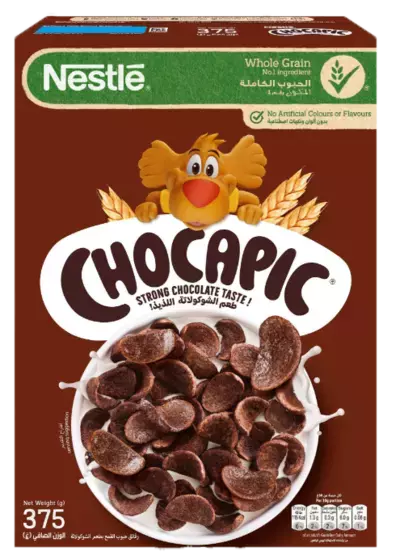
Whole grain is much more than fibre, it contains carbohydrates, proteins, some lipids and B vitamins, Minerals and antioxidants.
Whole grains are nutrient-dense [1]. Their three edible parts contain much more than just fiber; they also include carbohydrates, proteins, some lipids, and B vitamins. They also provide minerals and antioxidants.
WHAT IS A
WHOLE GRAIN?
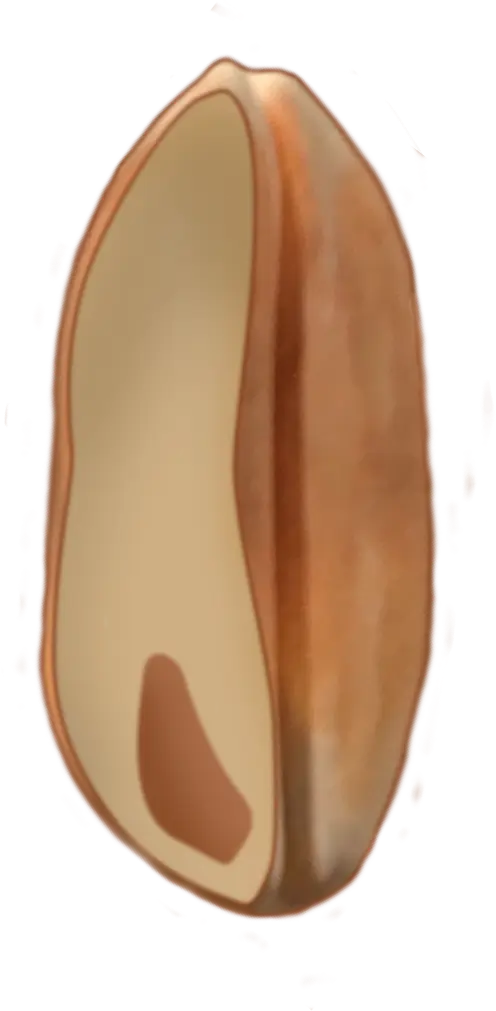

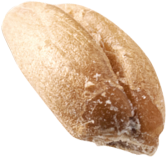
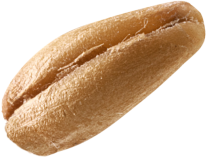




The bran
Fiber, vitamins and minerals
The starchy center
Carbohydrates & vitamins
The nutritious core
Protein, vitamins and minerals
Every grain grows whole grain
but a grain is only whole grain
if it has all three parts intact
which are all full of nutrients.
IMPORTANCE OF WHOLE GRAIN
Here is why it's important to eat whole grain in our day-to-day diet:
WHY WE CARE ABOUT whole grain?
Like you care for family, at Nestlé Breakfast Cereals we care for our grains.
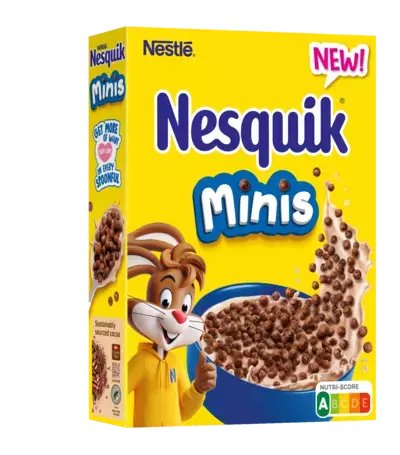
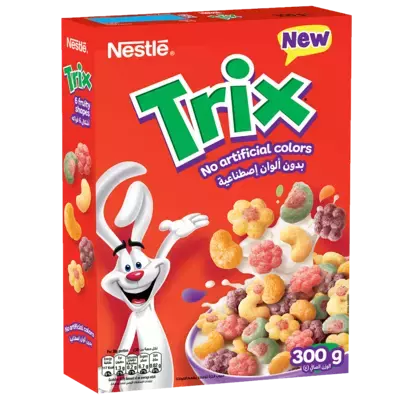
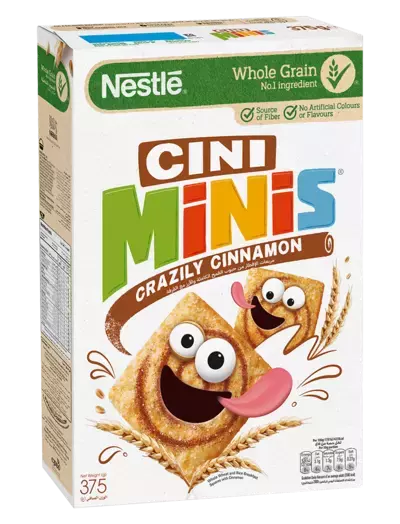
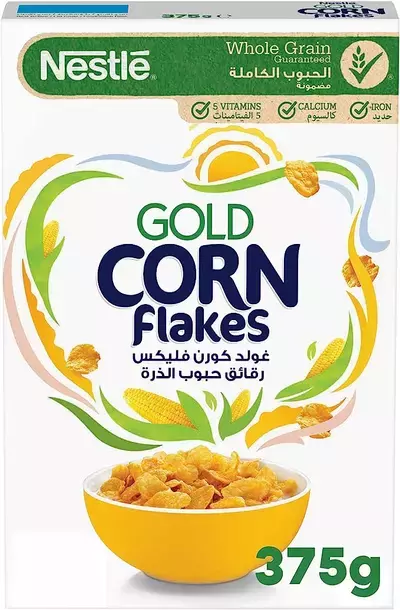
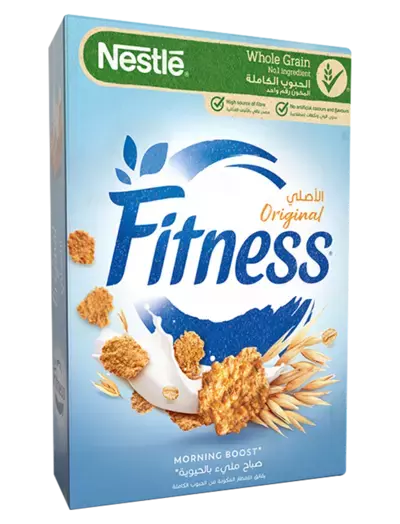
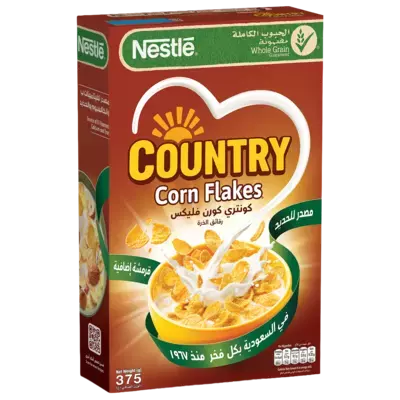
That's why we’ve made whole grain the number one ingredient in all of our breakfast cereals with the green banner. The bold, bright green banner with the whole grain tick on our cereal packs shows our commitment to making it as easy as possible for you and your family to get tasty whole grain every morning. Wherever you see the green banner, you can be sure it contains at least 8 grams of whole grain in each 30g serving.
Always look out for the Green Banner!
Whole grain provides a range of vitamins, minerals, fibre, starch and other nutrients – that’s why it’s often recommended we eat three to five servings a day. But research shows we’re not getting enough. Check the survey here.
When we wanted to know what people around the world think of whole grain, we asked them. We spoke to more than 16,000 people from 11 countries about the importance of whole grain.
8 out of 10 people of people we spoke to think it's important to eat whole grain. But the same number of people don't know how much whole grain they should eat each day. Less than half of the people we talked to think they eat enough whole grain. And over a third said people do not know where to find whole grain. Fortunately, breakfast is a good way to get some whole grain first thing. So we’re always working behind the scenes to make sure our whole grain cereals give you and your family a daily dose of the good stuff.
[1] Harvard School of Public Health. Whole Grains.
BENEFITS OF whole grain
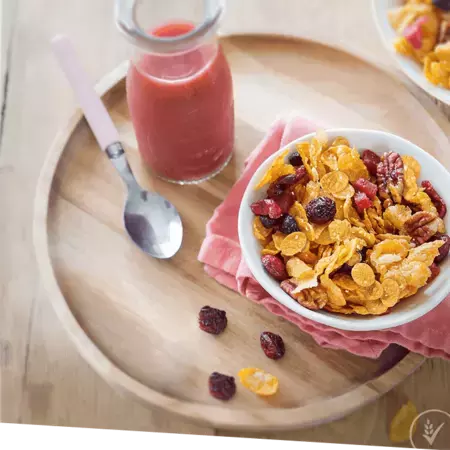
Nutritious: Whole grains mean you are getting all 3 parts of the grain in the same proportions as they are naturally found - this includes the outer bran, the starchy centre and the core, all bringing a unique combination of nutrients to our whole grain cereals! All our products with the green banner have whole grain as the number one ingredient meaning they are also a source of fibre (min 3g/100g). These products can be part of a healthy and balanced breakfast, alongside dairy components such as milk or yogurt and a piece of fresh fruit.

Tasty: Over the last 30 years, our teams have worked hard to improve the nutritional profile of our cereals. We've reformulated our recipes to increase the overall amount of whole grain and consequently fibre while significantly improving the average amount of sugar and salt. All while keeping the same great taste! Keeping our whole grain breakfast cereals delicious over time is a key priority for our teams.
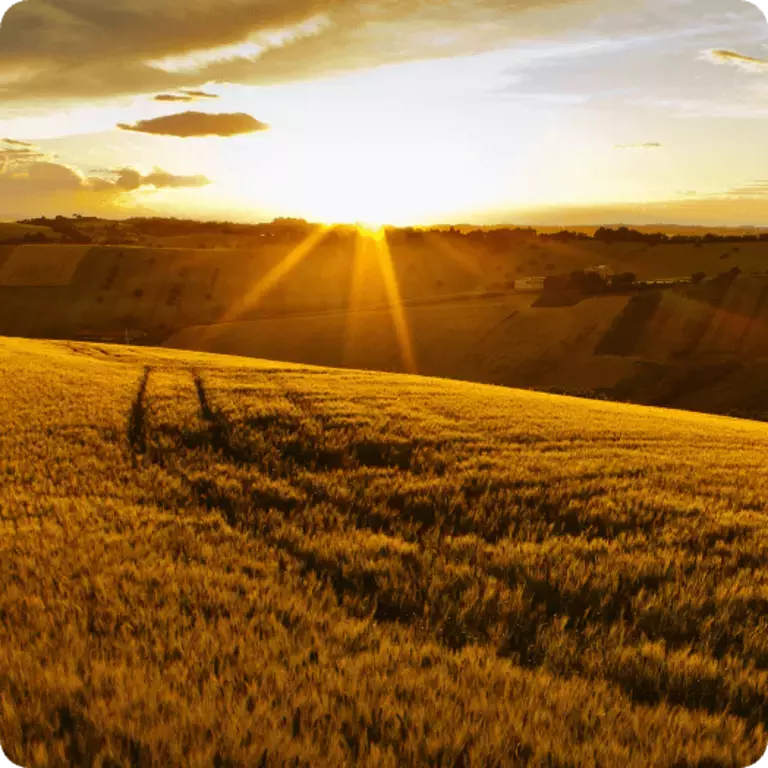
Responsible: From field to bowl, we take responsibility at each step of the way about how we select ingredients , how we produce the whole grain cereals you love, how we pack them and how they are transported to customers.
Our whole grain survey
Our survey found that many people are unsure which foods contain whole grain.
- 1 in 10 people think whole grain can be found in bananas.
- 14% say whole grain is in white rice.
- Almost 1 in 5 people (17%) believe it’s in white bread.
- 21% think it’s in nuts.
Where can you find whole grain?
Whole grain can be found in:
-Wholemeal bread.
-Wholewheat pasta.
-Brown rice.
-Porridge made with whole grain oats.
-Whole grain breakfast cereal.

What is Whole Grain? (And Where do You Find It?)
Whole grains are complete grain. Unlike refined grains, none of its parts has been taken away (except the inedible parts, such as hull and husk).
Where can you find whole grain?
Whole grain can be found in:
-Wholemeal bread.
-Wholewheat pasta.
-Brown rice.
-Porridge made with whole grain oats.
-Whole grain breakfast cereal.
What exactly is whole grain?
Every grain grows whole grain, but a grain is only a whole grain if it has all three parts intact which are all full of nutrients - this includes:
- The bran
- The endosperm (starchy centre)
- The germ (the core with the seed
Why is Whole grain important?
Whole grain provides a range benefits – fibre, carbohydrates, proteins, some lipids and B vitamins, Minerals and antioxidants. You'll find at least 8g of whole grain per 30g serving from any of our breakfast cereals with the Nestlé Green Banner! Read more
How do your products perform in the FoPL systems?
Having whole grain as the main ingredient across our cereal range brings nutritional benefits like fibre that contributes to the great scores on some of our cereals. Also, our continued recipe improvements play their part, depending on the product. Read more

Working to Make Breakfast Better!
Your voice is leading the way to make breakfast better every day and helping us to provide a more nutritious breakfast option.