Fortification
How important are cereals fortified with iron to your breakfast experience?
Published: 05/03/2026
Author
By Nestlé Cereals
Reading time: 5 min.
Share it with your friends
One of the essential nutrients that our bodies need for growth and development is iron. It’s a mineral that can be found in a variety of plant and animal foods, but most people don’t get enough iron in their diet. With iron deficiency becoming more common in the population, Nestlé’s fortified cereals can be a solution to help you increase your iron intake.
Iron is important because your body needs it to create hemoglobin. This is the protein that is an essential component of red blood cells. It transports oxygen around the body. You also use iron to make myoglobin, which carries oxygen into your muscles. It’s also a part of several hormones.
You need sufficient oxygen to reach your cells for them to function, so having enough hemoglobin is crucial to good health. It’s even important in brain function.
How much iron you need depends on your age and sex.
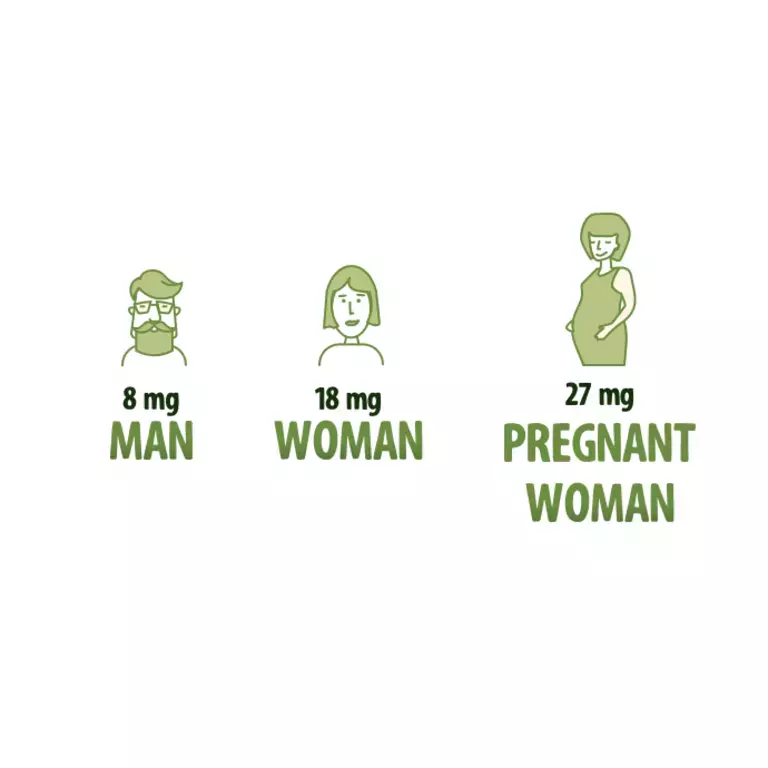
An adult man needs about 8 milligrams (mg) but a woman needs more than double that, at 18 mg. And if a woman becomes pregnant, her demand for iron soars, needing 27 mg every day. Menstruating women will also need an iron-rich diet because of blood loss.
If you don’t eat meat, you’ll need twice as much iron because your body cannot absorb iron from plant sources as well as iron from animals.
If you don’t take in enough iron, you can suffer from an iron deficiency, which can cause anaemia where your body isn’t able to make enough haemoglobin. You may not realise you’re suffering from iron deficiency because you just feel a bit tired and run down. But continued deficiency can leave you feeling breathless, impair your memory and other cognitive functions, and even make you susceptible to infection.
Nestlé started adding iron to cereals in the 1920s in a process called fortification to make our cereals a positive source of iron.
It’s a bonus for your family as research has shown that both kids and grownups who eat fortified cereals are more likely get all the minerals and vitamins they need.
Priebe et al. PLoS One, (2016).
So how much iron will you find in your favourite Nestlé breakfast cereals?
In almost all of Nestlé Breakfast Cereals you will find at least 15%RDA per 30g serving size. (To find out the exact amount of iron present in your favorite recipe, please visit your market page.)
TO INCREASE YOUR IRON INTAKE EVEN MORE, ADD SOME FRUITS, NUTS OR SEEDS TO YOUR NESTLÉ FORTIFIED BREAKFAST CEREALS
To increase your iron intake even more, add some fruits, nuts or seeds to your Nestlé fortified breakfast cereals. Seeds make a delicious breakfast topper and offer a good iron boost. A tablespoon of pumpkin or flax seeds can add another microgram of iron. Dried fruit is also packed with iron, particularly apricots and raisins, or some fresh blueberries which pair deliciously with breakfast cereals.
The vitamin C they contain helps your body to absorb plant iron.
The word ‘fortification’ means ‘a defensive wall or other reinforcement built to strengthen a place against attack’ – so what has that got to do with cereals? Well, when cereals are ‘fortified’, it means they contain added vitamins and minerals to help our body work well.