Our Promises

Best Before Date: What Does It Really Mean?

Published: 11/05/2026
Reading time: 5 min.
Share it with your friends
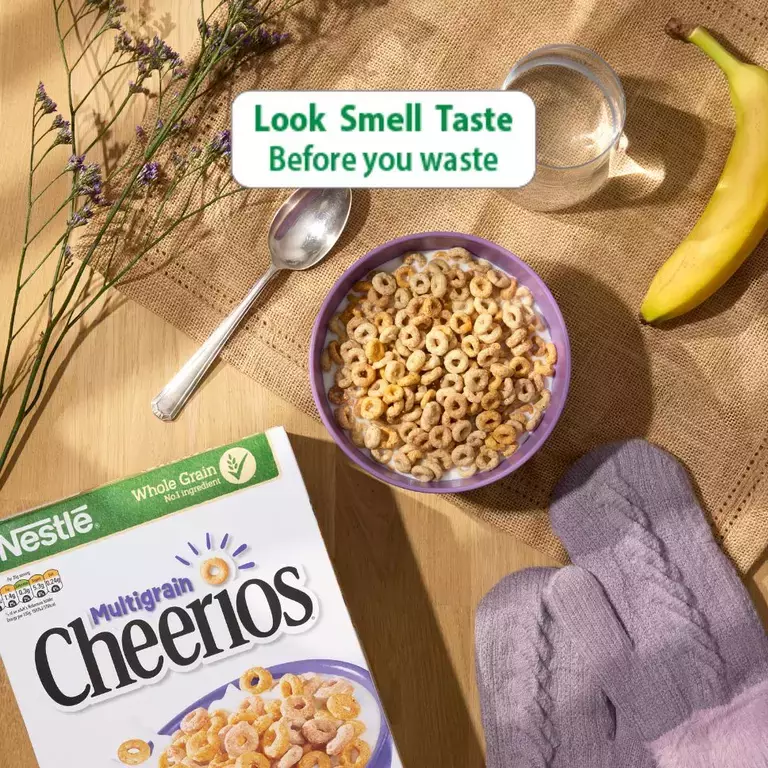
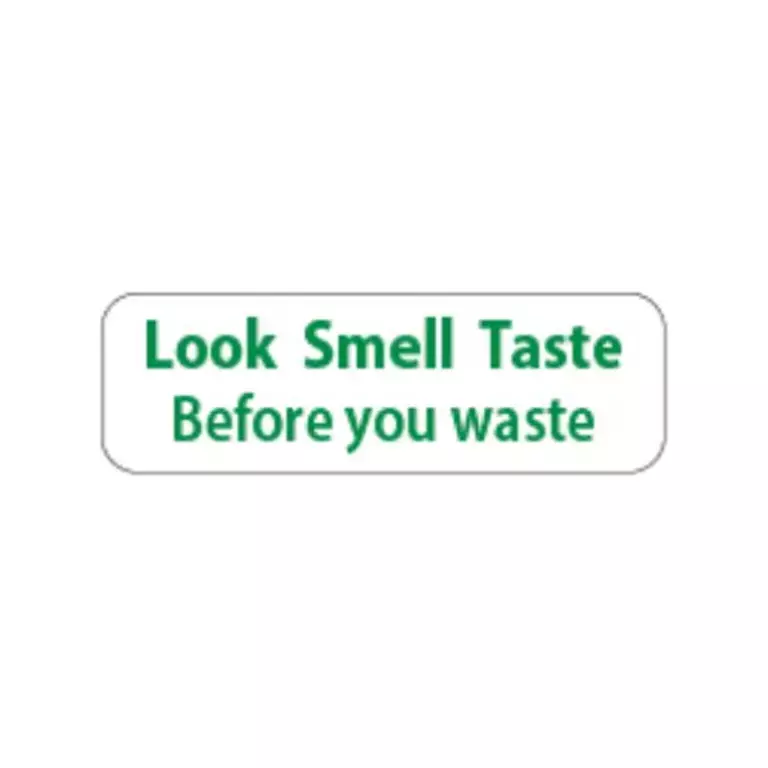
A bowl of cheerios next to a box of Cheerios and a banana. The logo with copy Look Smell Taste before you waste above it

Food date labels can be confusing, leading to unnecessary waste in our kitchens. Have you ever found yourself staring at a product, wondering if it's still safe to eat or simply past its prime? 


Understanding the crucial difference between a 'best before' date and a 'use by' date is vital. It's a simple distinction that can make a big difference to how much food we waste at home, saving you money and helping you make a positive impact. 


In this article, we'll explain what these date labels truly mean, answer common questions, and share simple tips for deciding when food can still be enjoyed rather than thrown away.
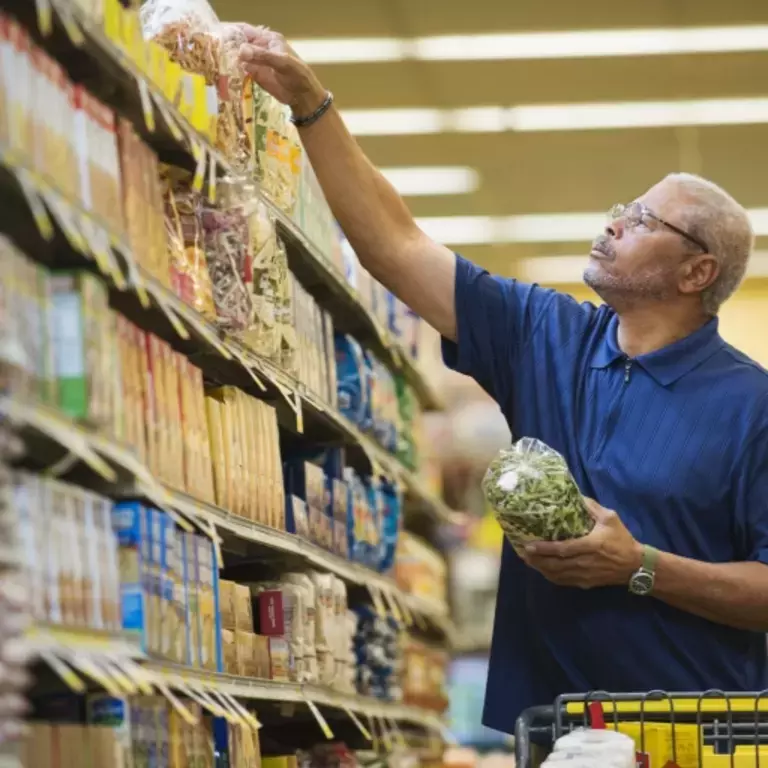
The Impact of Food Waste and How Date Labels Can Help

We all want to do our part to protect the environment in whatever way we can. Maybe you’ve started reducing your plastic usage or you’re turning off the tap and devices more often to save water and energy. Think about the recycling bin you should have at home and if you’ve made sure that everyone in the family uses it. 


It’s time to pay attention to the other bin in the house. The one where food goes in. Every day good food is being wasted. According to UK charity WRAP’s latest data (2025), UK households generate around 6.4 million tonnes of food waste each year, of which approximately 4.4 million tonnes is edible food that could have been eaten. This amounts to around £17 billion worth of food wasted annually, equivalent to about £1,000 per household. This doesn’t just impact our wallets—it also has significant environmental consequences.1 


Every time we throw food away, we are wasting all of the precious resources that go into making it, including the energy, water, inputs like fertiliser and the labour it takes to farm and manufacture it. 


Best Before vs. Use By: Understanding the Key Difference

One way to effectively reduce food waste is to understand the two main types of date labels you'll find on pre-packed food products. The Food Standards Agency provides clear guidance to help us make this distinction.


  • 'Best Before' Date: This date refers to food quality. It indicates when a food product is at its best in terms of taste, texture, and aroma. You can typically eat food after its 'best before' date, provided it has been stored correctly and looks, smells, and tastes fine. While its quality might not be optimal, it's still perfectly safe to consume. Most food labels show a 'best before end' or 'best before date'.


  • 'Use By' Date: This date relates to food safety. This is a critical date, as you should never eat food past its 'use by' date, even if it looks and smells fine. Foods such as fresh meat, fish, vegetables, and dairy products are highly perishable. The 'use by' date is chosen based on scientific methods that reveal the point at which these products are no longer safe to eat and could be harmful to your health.


Understanding this distinction is key. Relying on your senses for 'best before' items can help save a lot of good food from being needlessly thrown away.

FAQs About Date Labels & Food Waste

What is the primary difference between a 'best before' date and a 'use by' date?

A 'best before' date indicates when a food product is at its optimal quality, taste, and texture. It's usually safe to eat after this date, though quality might decline. A 'use by' date, however, relates to food safety. You should never eat food past its 'use by' date as it could be harmful. 

Can I still eat food after its 'best before' date?

Generally, yes. Many foods are perfectly safe to eat after their 'best before' date. It's best to use your senses – look, smell, and taste – to determine if the food is still good. This is especially true for non-perishable items like cereals, pasta, or canned goods.

How long can cereals be eaten after their 'best before' date?

Nestlé cereals are typically safe to eat for a period after their 'best before' date, provided they have been stored properly (in a cool, dry place) and show no signs of spoilage (bad smell, mould, or unusual texture). Always apply the 'Look, Smell, Taste' principle!

RELATED ARTICLES

toddler
Reading time: 5 min.
Breakfast Ideas
BANER
Reading time: 5 min.
Our Promises
Salt & Cereals - A pinch of salt at Breakfast Time!
Reading time: 5 min.
Healthy Breakfast Ideas & Guides