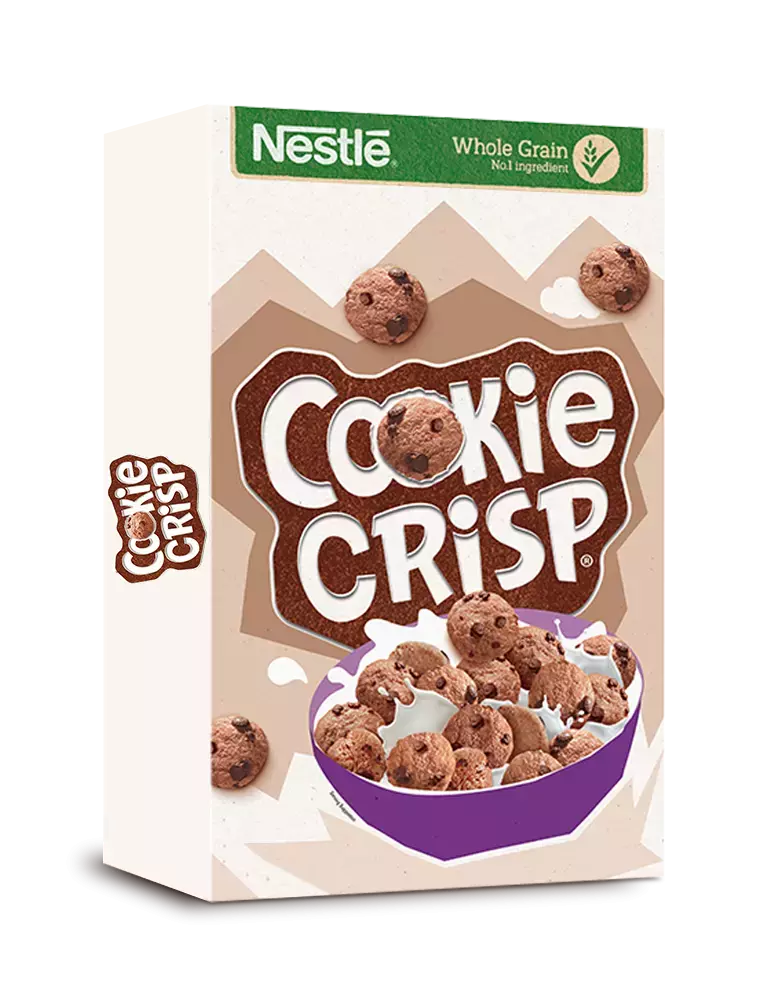
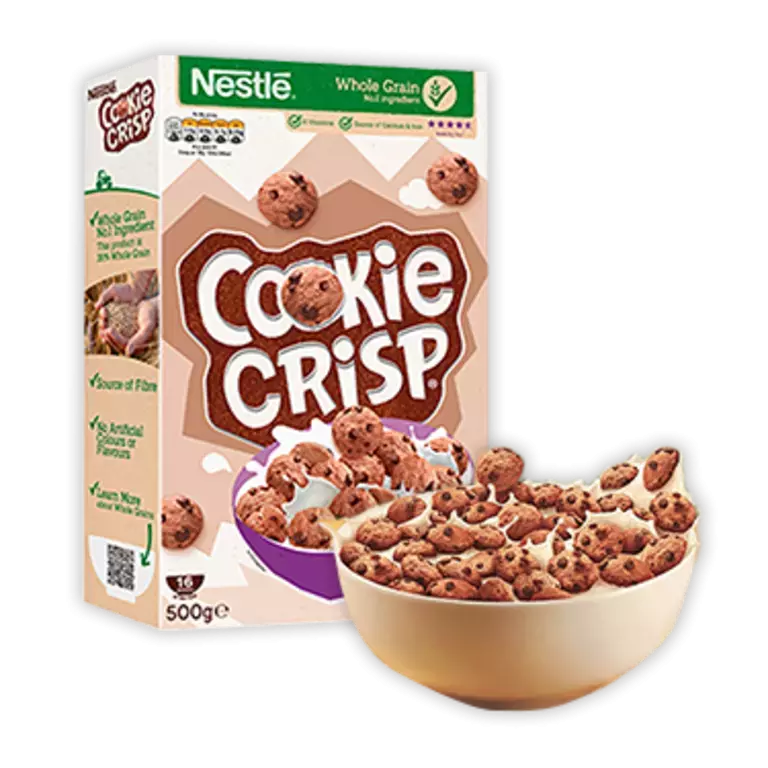
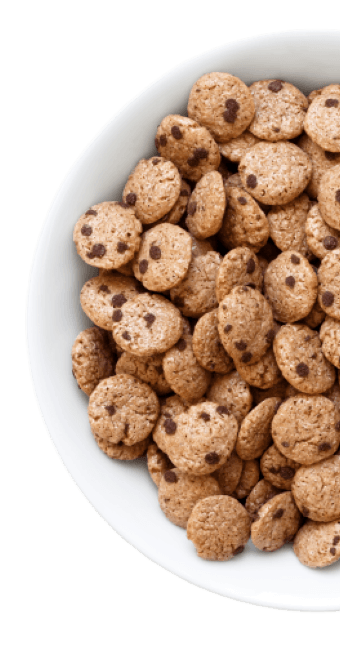
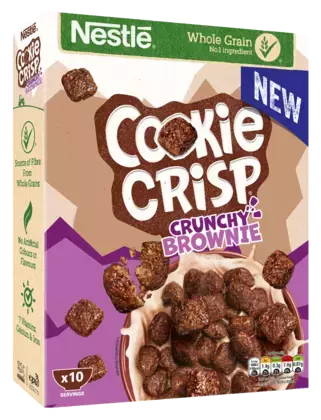
Cookie Crisp® is a celebration of passion, invention, and cookie fun! Every bite is packed with chocolatey chip cookie flavour, bringing joy to breakfast time and beyond.
Choose your favourite
A Bowl Full of Fun Cookie Taste
Got Questions about Cookie Crisp® Cereal?
Does Cookie Crisp® contain nuts?
Nuts are not a direct ingredient in Cookie Crisp® however it may contain nuts. See pack for full ingredient information.
How many calories in a bowl of Cookie Crisp®?
A 30g portion of Nestlé Cookie Crisp® contains 118 calories. See pack for full nutrition information.
Is Cookie Crisp® gluten free?
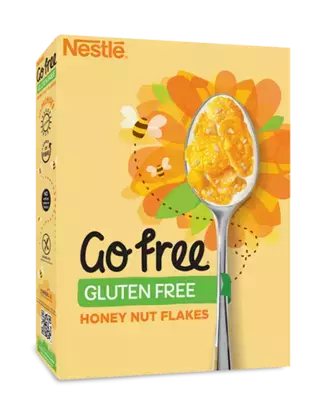
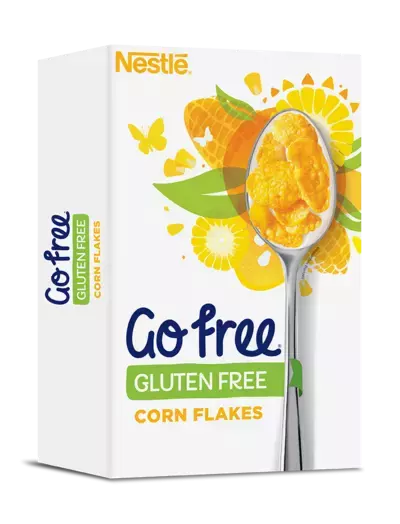
Cookie Crisp® includes ingredients that are not suitable for coeliacs or those who follow a gluten free diet. Our Nestlé® GoFree® cereals are a tasty and gluten free option. Explore the range!
Is Cookie Crisp® healthy?
Cookie Crisp® can be included as part of a healthy and balanced breakfast. Every bowl of Cookie Crisp® is a source of whole grain, and 8 vitamins and minerals including calcium and iron.
Is Cookie Crisp® vegan?
Cookie Crisp® is suitable for vegetarians.
Got Questions?
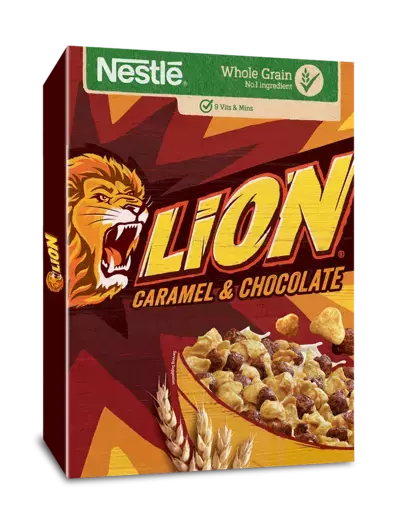
How many calories in a bowl of Lion® cereal?
A 30g portion of Lion® cereal contains 122kcal. See pack for full nutrition information.
How Much Fibre Should I be Eating?
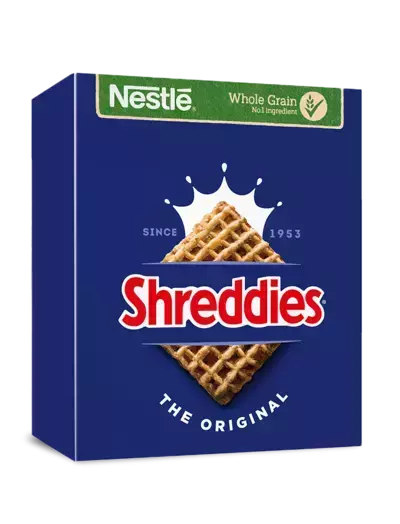
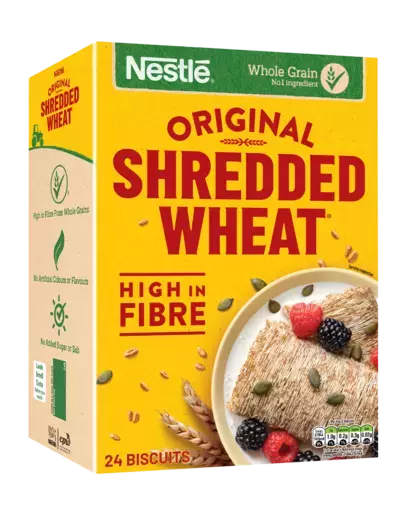
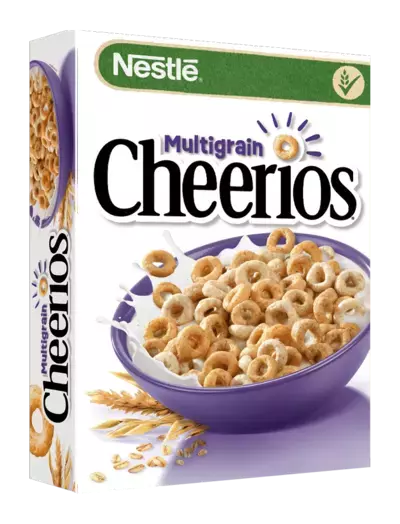
According to the NHS, the recommended daily intake of fibre in the UK is 30 grams for adults, 15 grams a day for kids between 2-5 years old and 20 grams a day for kids between 5-11 years old. Aim for variety of different foods including whole grains, fruits, vegetables, legumes. Our fibre-rich cereals such as Original Shreddies®, or Multigrain Cheerios® can also help achieve the recommended amounts.
Can Breakfast cereals be healthier?
We’re proud of our products, but know we have to go further. We want to live up to our consumers’ expectations and continue to make our breakfasts better – creating cereals which still offer the great taste our consumers love.
Is 'vegetable oil' the same as 'palm oil'?
How much saturated fat does palm oil contain?
Why do you have oil in your cereals?
Its primary use is to help in the manufacturing process: it acts as a lubricant when we are shaping the product and, helps avoiding stickiness. In some products oil plays a role in the sensory profile – how the product feels and tastes in the mouth.