
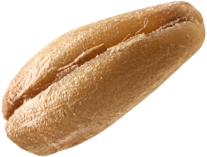



What is a

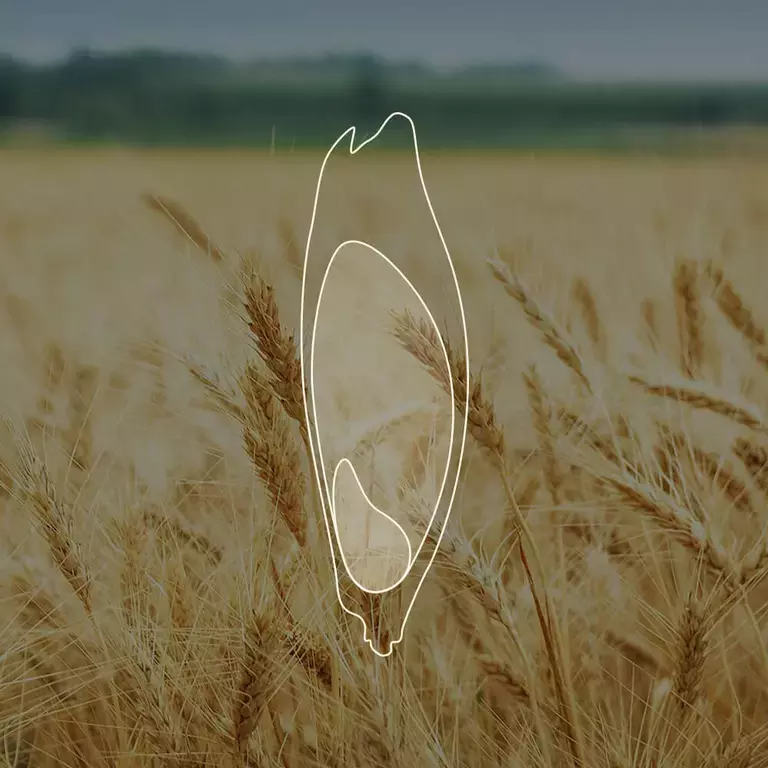
whole grain?
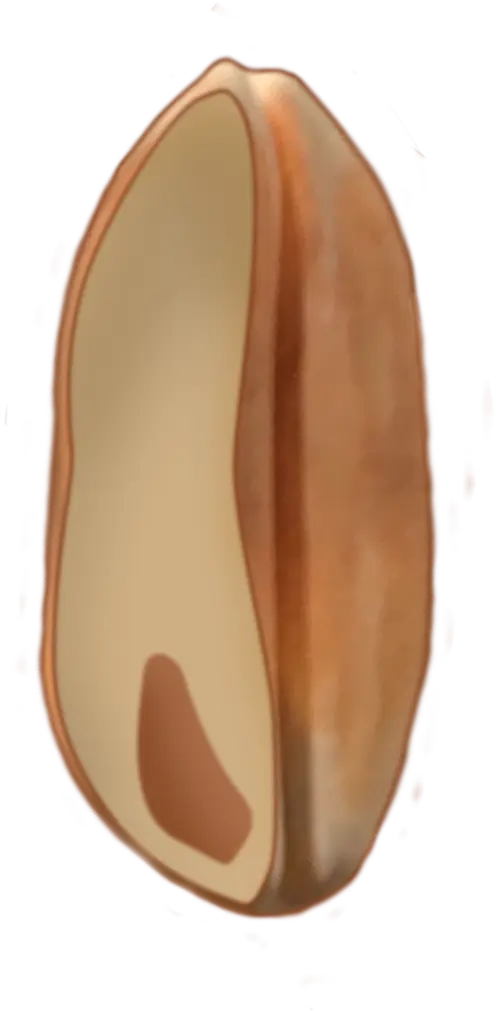
Cereal grain Cereal grain Cereal grain Cereal grain Cereal grain Cereal grain Cereal grain Cereal grain
+

The bran

Fiber, vitamins and minerals
+

The starchy center

Carbohydrates & vitamins
+

The nutritious core

Protein, vitamins and minerals
Every grain grows whole grain but a grain is only whole grain if it has all three parts intact which are all full of nutrients.

IMPORTANCE OF WHOLE GRAIN

Here is why it's important to eat whole grain in our day-to-day diet:
Whole grain is much more than fibre, it contains carbohydrates, proteins, some lipids and B vitamins, Minerals and antioxidants.
Whole grains are nutrient-dense [1]. Their three edible parts contain much more than just fiber; they also include carbohydrates, proteins, some lipids, and B vitamins. They also provide minerals and antioxidants.
WHY WE CARE ABOUT whole grain?

Like you care for your family, at Nestlé Breakfast Cereals we care for our grains.
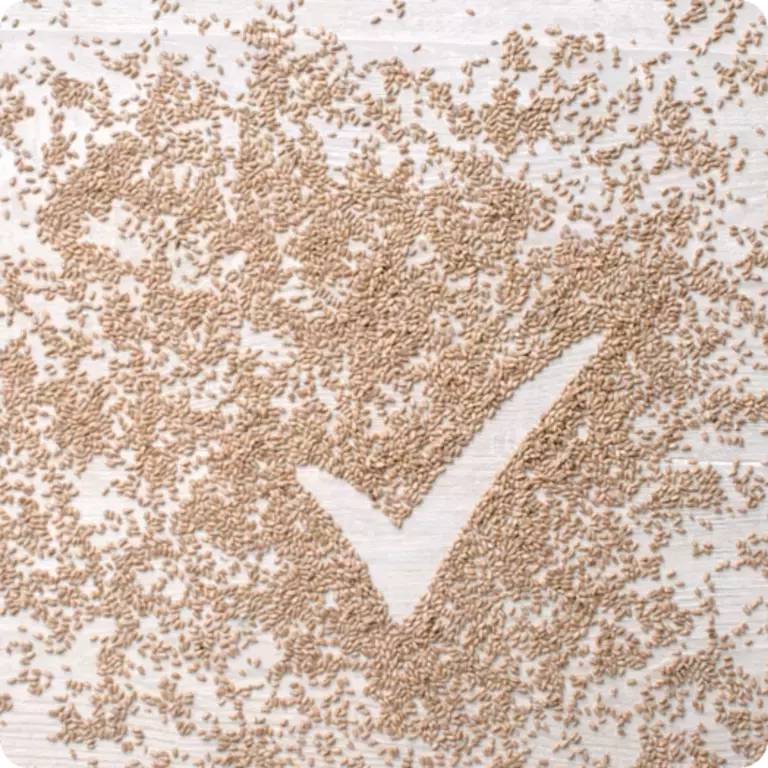
That's why we’ve made whole grain the number one ingredient in all of our breakfast cereals with the green banner. The bold, bright green banner with the whole grain tick on our cereal packs shows our commitment to making it as easy as possible for you and your family to get tasty whole grain every morning. Wherever you see the Nestlé Breakfast Cereals green banner, you can be sure it contains at least 8 grams of whole grain in each 30g serving. 
 

Always look out for the Green Banner!

Green Banner

WHY WHOLE GRAIN?

Whole grains are an important part of a balanced diet, providing a rich source of dietary fiber, vitamins, minerals, and other beneficial plant compounds. Unlike refined grains, whole grains retain all three parts of the grain—the bran, germ, and endosperm—offering two to three times more nutrients such as fiber and magnesium compared to their refined counterparts [1]. Scientific evidence suggests that diets higher in whole grains are associated with a reduced risk of noncommunicable diseases, including type 2 diabetes, cardiovascular disease, and certain types of cancer [2]. Leading health organizations, such as the World Health Organization [3] and the EAT-Lancet Commission [4], recommend increasing whole grain intake as part of healthy and sustainable eating patterns. Despite these recommendations, many people worldwide do not consume enough whole grains in their daily diets [5].

[1] Harvard School of Public Health. Whole Grains.

[2] Aune, D. et al. (2016). Whole grain consumption and risk of cardiovascular disease, cancer, and all cause and cause specific mortality: systematic review and dose-response meta-analysis of prospective studies. BMJ, 353, i2716

[3] World Health Organization. Healthy diet

[4]  Willett, W. et al. (2019). Food in the Anthropocene: the EAT–Lancet Commission on Healthy Diets from Sustainable Food Systems. The Lancet, 393(10170), 447–492.

[5] Meynier A et al (2020). Main Factors Influencing Whole Grain Consumption in Children and Adults—A Narrative Review. Nutrients, 12:2217.

BENEFITS OF whole grain

BENEFITS OF whole grain - Nutritious

Nutritious: Whole grains mean you are getting all 3 parts of the grain in the same proportions as they are naturally found - this includes the outer bran, the starchy center and the core, all bringing a unique combination of nutrients to our whole grain cereals!

All our products with the green banner have whole grain as the number one ingredient meaning they are also a source of fibre (min 3g/100g). These products can be part of a healthy and balanced breakfast, alongside dairy components such as milk or yogurt and a piece of fresh fruit.

BENEFITS OF whole grain - Tasty

Tasty: Over the last 30 years, our teams have worked hard to improve the nutritional profile of our cereals.
We've reformulated our recipes to increase the overall amount of whole grain and consequently fibre while significantly improving the average amount of sugar and salt. All while keeping the same great taste! Keeping our whole grain breakfast cereals delicious over time is a key priority for our teams.

BENEFITS OF whole grain - Responsible

Responsible: From field to bowl, we take responsibility at each step of the way about how we select ingredients , how we produce the whole grain cereals you love, how we pack them and how they are transported to customers.

Where can you find whole grain?

Whole grain can be found in:

-Wholemeal bread.

-Wholewheat pasta.

-Brown rice. 

-Porridge made with whole grain oats. 

-Whole grain breakfast cereal. 

What is Whole Grain?

What is Whole Grain? (And Where do You Find It?)

Whole grains are complete grain. Unlike refined grains, none of its parts has been taken away (except the inedible parts, such as hull and husk). 

BETTER FOOD ARTICLES

OUR CEREALS

CHEERIOS®

Nesquik pack 3D

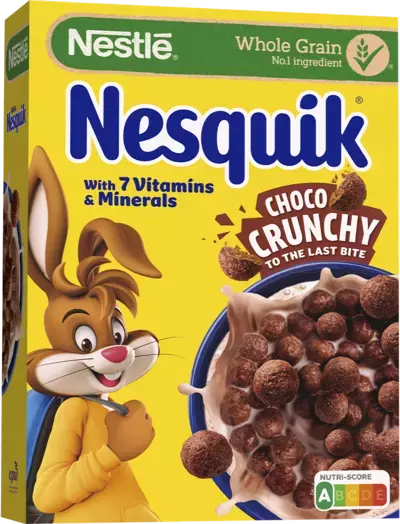
NESQUIK® Cereal

Find Your FITNESS®!

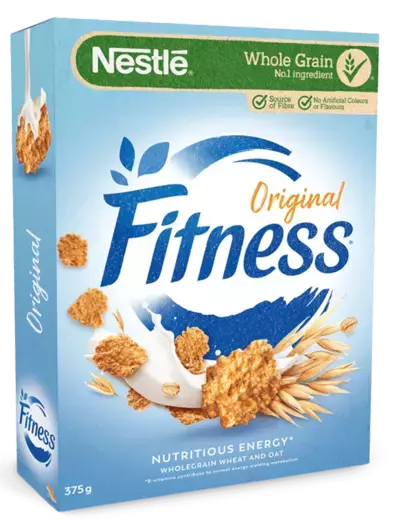
Fitness®

A Classic Favourite: Crispy Corn Flakes

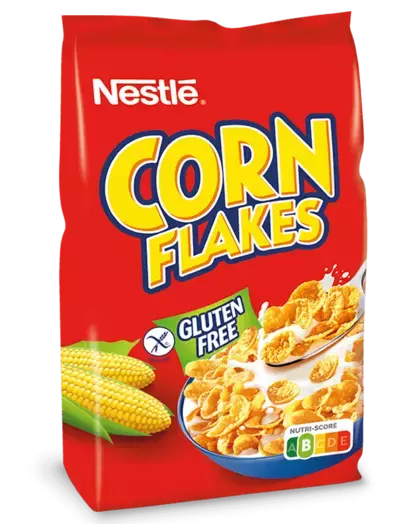
Corn Flakes

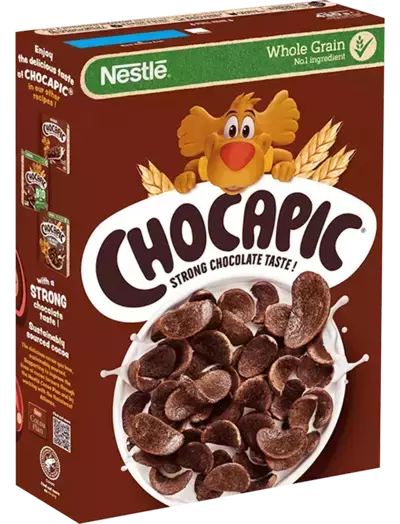
Chocapic®

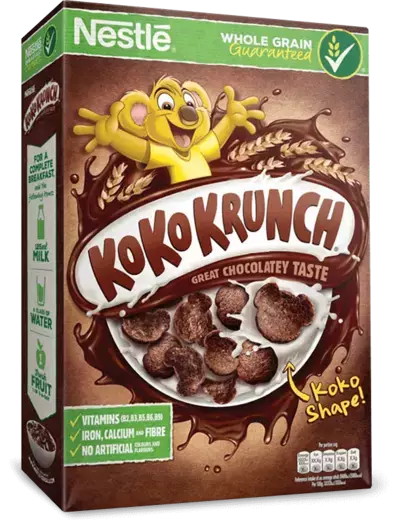
Nestlé cereals / KOKO KRUNCH®

Koko Krunch®

LION TRIPLE CRUNCHY – THE ULTIMATE INDULGENT BREAKFAST CEREAL

LION® CEREALS

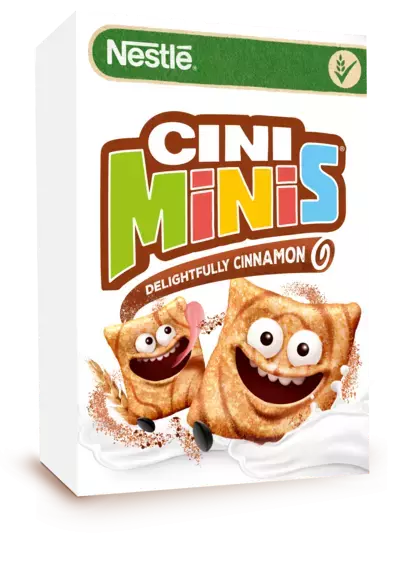
Cini Minis®

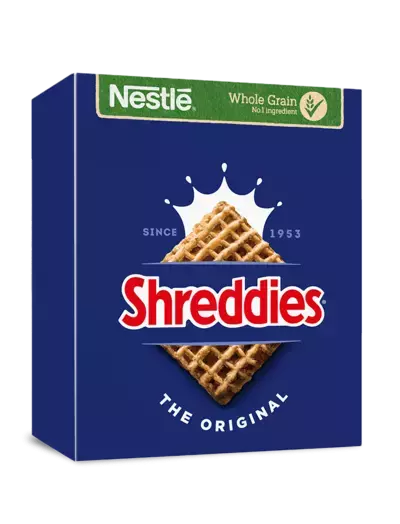
Shreddies®

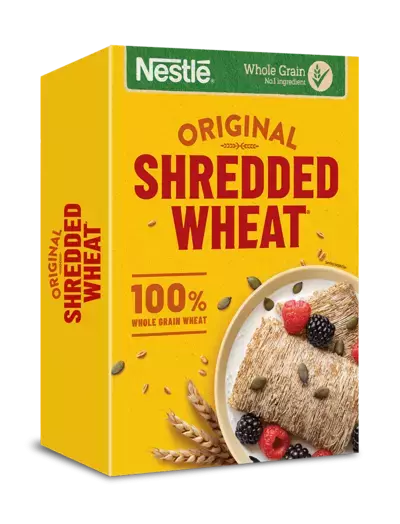
SHREDDED WHEAT®

KitKat® Cereal

Read Our FAQ's

What exactly is whole grain?
Every grain grows whole grain, but a grain is only a whole grain if it has all three parts intact which are all full of nutrients - this includes:
 
- The bran
- The endosperm (starchy centre)
- The germ (the core with the seed
 
Why is Whole grain important?

Whole grain provides a range benefits – fibre, carbohydrates, proteins, some lipids and B vitamins, Minerals and antioxidants. You'll find at least 8g of whole grain per 30g serving from any of our breakfast cereals with the Nestlé Green Banner! Read more
How do your products perform in the FoPL systems?

Having whole grain as the main ingredient across our cereal range brings nutritional benefits like fibre that contributes to the great scores on some of our cereals. Also, our continued recipe improvements play their part, depending on the product. Read more