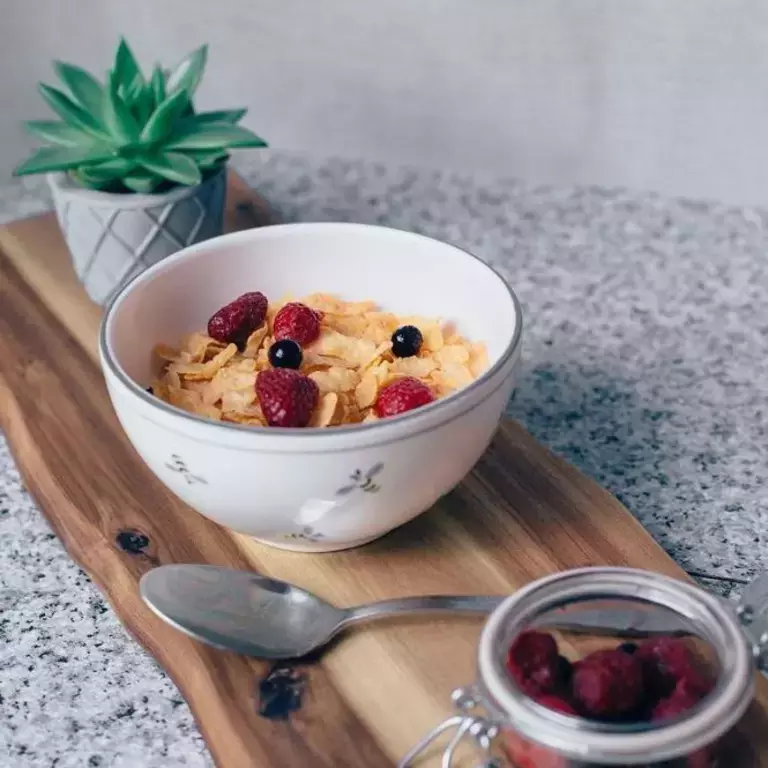
As more people learn about food intolerances and try different ways of eating, we're here to make sure everyone can enjoy a tasty breakfast. If you follow a gluten-free diet, we've got some delicious gluten-free cereals ready for your breakfast bowl.
Gluten-Free
Gluten-Free Breakfast Cereals: What to Eat and What to Skip
Published: 03/06/2026
Reading time: 5 min.
What is gluten?
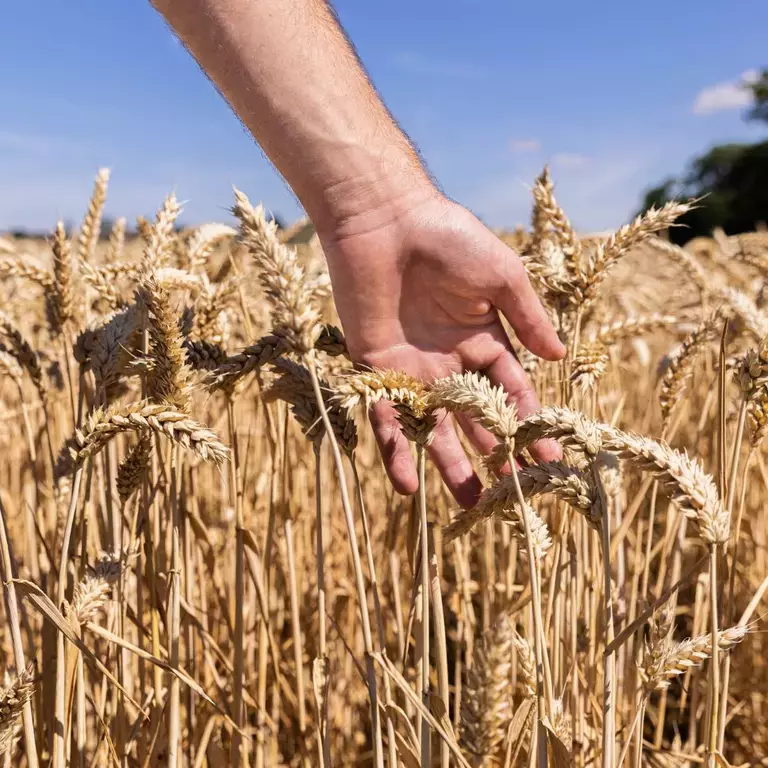
Gluten is a type of protein present in some cereal grains, such as wheat, rye and barley and is responsible for the elastic texture of dough.
However, not all of us digest gluten in the same way. Most people can consume gluten products without noticing anything unusual, while others may experience negative side effects.
What Is Gluten Intolerance?
Gluten intolerance is a broad term used to describe a range of gluten-related conditions, including coeliac disease and non-coeliac gluten sensitivity.
For some people, eating gluten can lead to uncomfortable symptoms. These can vary from person to person, but may include:
-
Diarrhoea
-
Stomach aches
-
Bloating and excess wind
-
Indigestion
-
Constipation
-
Tiredness (often linked to not absorbing enough nutrients)
-
Unintentional weight loss
-
An itchy skin rash
-
Fertility difficulties
-
Nerve-related symptoms, such as tingling or numbness
-
Problems with balance, co-ordination or speech
Coeliac disease is an autoimmune condition, which means the body reacts to gluten by damaging its own tissues. For people with coeliac disease, even small amounts of gluten can trigger symptoms, so a strict gluten-free diet is essential.
Others may have non-coeliac gluten sensitivity, or may simply choose to limit or avoid gluten as part of their lifestyle.1
What is a gluten-free diet?
Gluten-free diets are eating plans that exclude gluten containing products completely. This is especially recommended for people who can’t digest gluten properly due to gluten sensitivity or coeliac disease. But sometimes people will also make this dietary choice without suffering from an underlying condition. They just enjoy a gluten-free lifestyle.
Who are Coeliac UK and why are we partnering?
Coeliac UK is the leading charity for people who need to live gluten-free in the UK. Day in, and day out, their experts are working to make life better for people with coeliac disease and other gluten-related conditions.
They strive for better gluten-free food in more places, improved diagnosis and healthcare provision, and provide trustworthy, evidence-based advice for their gluten-free community. They’re also the largest charity funder of coeliac disease research in the UK – making sure we can one day find the answers to coeliac disease and gluten intolerance.
Which cereal grains are gluten-free?
You may be wondering exactly which cereal grains are gluten free?
There are plenty of gluten-free grains out there for those that follow a gluten-free diet, including:
-
Maize
-
Polenta
Are oats gluten-free?
Oats are naturally gluten-free, but they can often be contaminated by other gluten-containing grains during the harvesting, storage or production process so always double-check for allergen labels on food packaging.
What foods are gluten-free?
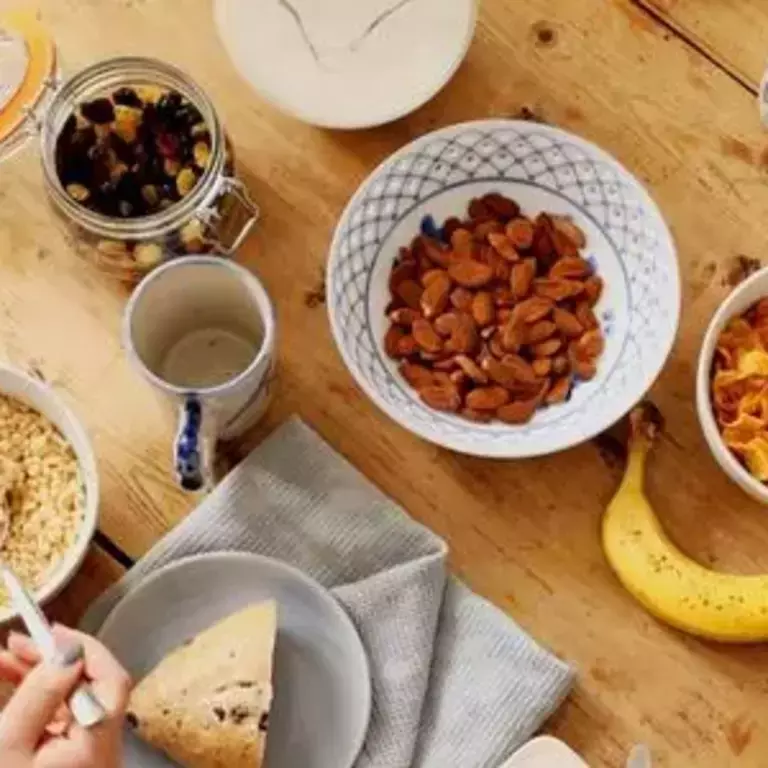
OnIy following a gluten-free diet? Many non-cereal based foods are naturally gluten-free and great to include as part of a balanced diet too, such as:
- meat
- fish
- fruit and vegetables
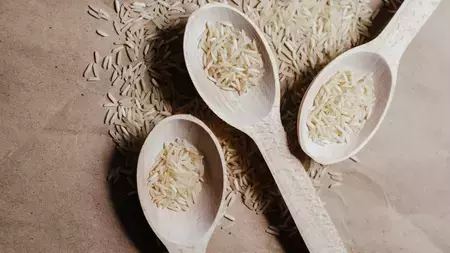
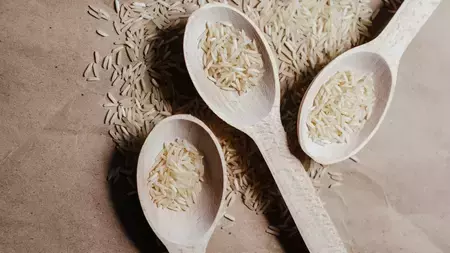
- rice
- potatoes
- lentils, beans and pulses
These foods are likely to be gluten-free. However, always check the label of packaged goods to identify their gluten-free status.
Which grains contain gluten?
- Barley (including products that contain malted barley such as malted drinks, beers, ales, lagers and stouts)
- Bulgar wheat
- Couscous
- Durum wheat
- Einkorn
- Emmer (also known as faro)
- Khorasan wheat (commercially known as Kamut®)
- Pearl barley
- Rye
- Semolina
- Spelt
- Triticale
- Wheat
Gluten Free Cereals Made Delicious with Go Free®
With our gluten-free Go Free® breakfast cereal range, you can still enjoy a delicious breakfast that’s gluten-free and fortified with vitamins.
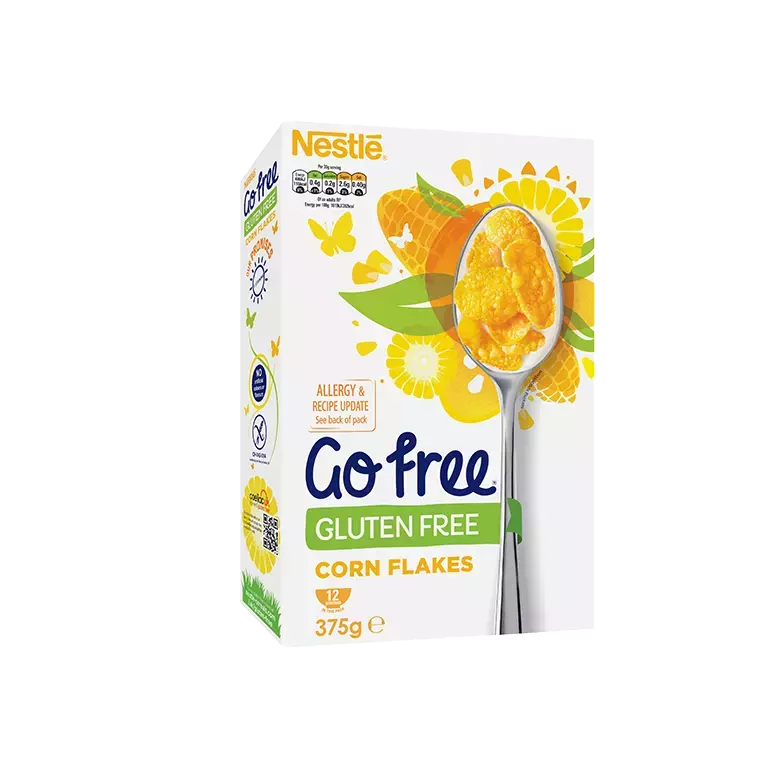
Go Free® Gluten Free Corn Flakes
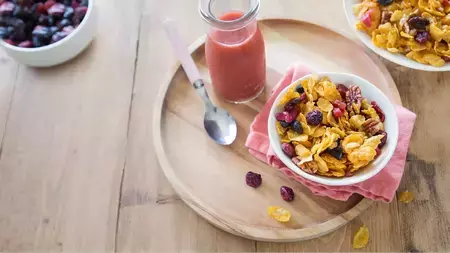
These golden cornflakes are ready to make your mornings delightful. Our carefully-selected ingredients contain no gluten, so if you need inspiration for a simple, but delicious gluten-free breakfast, give Go Free® Corn Flakes a try.
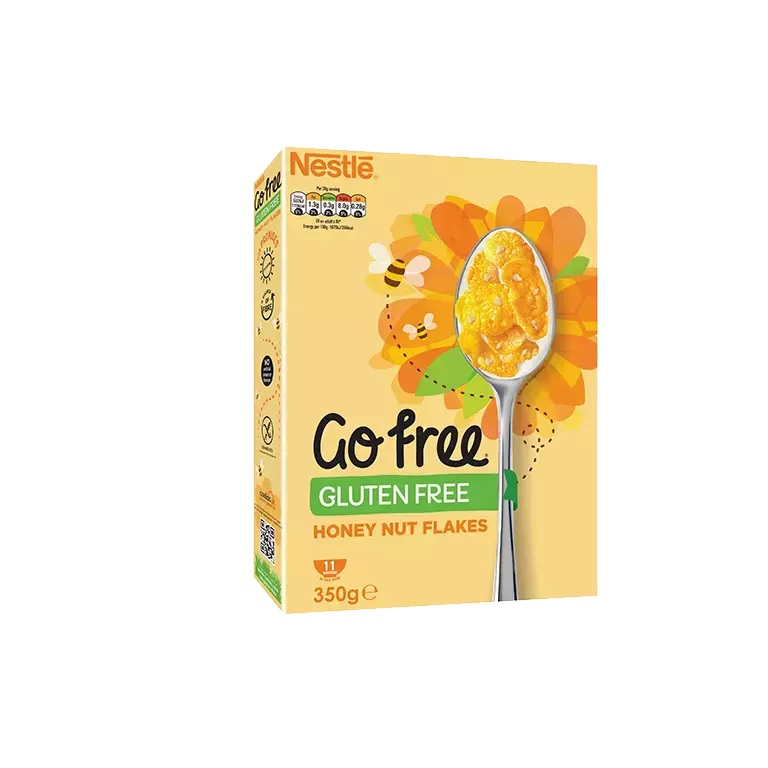
Go Free® Gluten Free Honey Nut Corn Flakes
Delicious crispy flakes of golden corn with a touch of honey and chopped peanuts offer you 5 vitamins and a great taste to start your day. For a sweet gluten-free cereals option, give our Go Free® Honey Nut Corn Flakes a go.
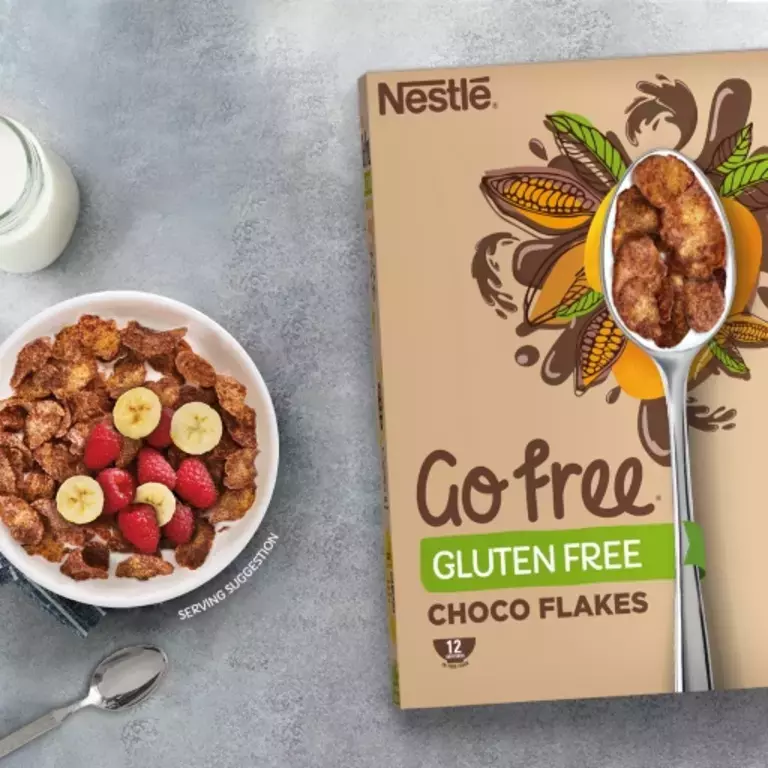
Go Free® Gluten Free Choco Flakes
Gluten free cereal just got chocolatey. Go Free® Choco Flakes are crispy chocolate flavour cornflakes that bring a rich, chocolatey twist to your gluten free breakfast. Fortified with 5 vitamins, it’s the chocolatey twist you’ve been waiting for.
Where can I buy gluten-free cereals?
Sometimes you’ll find our Go Free® range in the ‘free-from’ aisle, but most of the time they’ll be in the usual cereal aisle.
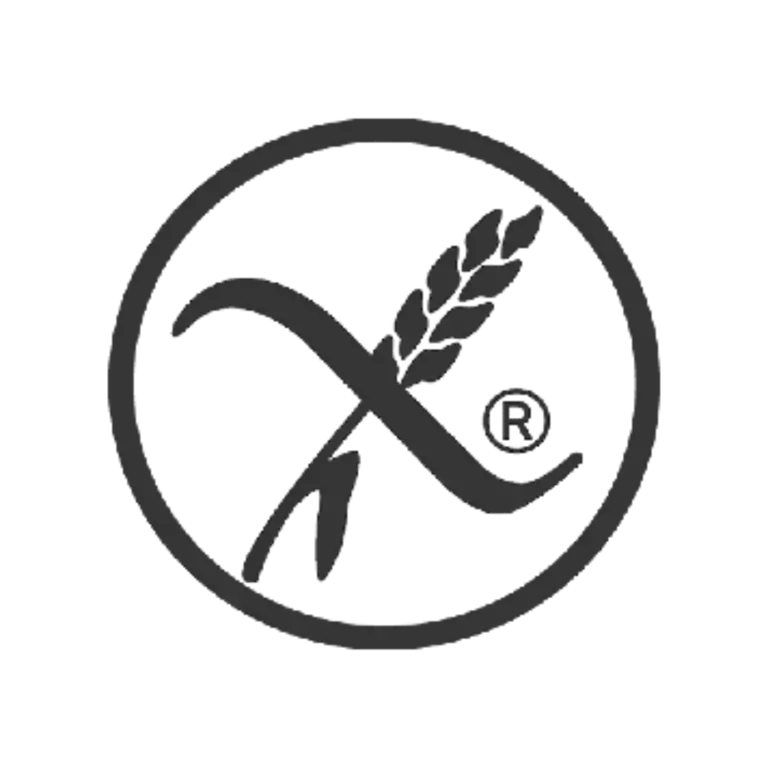
Look out for the Crossed Grain logo
GO FREE® Honey Nut Flakes, Corn Flakes and Choco Flakes are certified gluten free by Coeliac UK. Look out for the Crossed Grain Trademark on-pack, as well as the Coeliac UK logo.
Nestlé Go Free® Gluten-Free Cereals: Your Top Questions Answered
Are the Nestlé Go Free® cereals range suitable for vegetarians?
Yes, all three products in the range are suitable for vegetarians.
Is the Go Free® range suitable for vegans?
Go Free® Cornflakes are suitable for vegans.
Are Go Free® cereals Kosher?
All of our Go Free® cereals are suitable for those following a gluten-free and Kosher diet.
Are they approved by Coeliac UK?
All three products are approved by Coeliac UK and bear the Crossed Grain Trademark.
RELATED ARTICLES
Don’t forget to check out our amazing gluten-free recipes ideas for delightful meals you can make with simple ingredients, including our grain-free cereals.
Reading time: 5 min.
Gluten-Free
